

 See My Latest Article on HelloNation

Why Should You Change Your HVAC Filters?
Changing HVAC filters helps maintain clean indoor air and ensures your system runs efficiently. In Portage, seasonal changes—from pollen-heavy springs to chilly winters—make regular filter changes essential. Dirty filters force your HVAC to work harder, potentially raising energy bills and shortening equipment life. For local residents, swapping filters is one of the easiest ways to keep air quality healthy and heating or cooling reliable through every season.
How Often Do Local Households Need to Change Filters?
Most homes in the city should check filters monthly and plan to replace them every 1 to 3 months. This frequency isn’t just a guideline but adapts to real-life factors common to the area:
- Homes with pets, wood-burning stoves, or heavy spring pollen may need more frequent changes.
- In older houses common to Portage, dust and allergens can build up faster.
- Households with allergy sufferers may notice improved symptoms with fresh filters.
A quick peek each month is the best way to judge whether a filter has visible dirt or discoloration. Winters, when furnaces run almost daily, also deserve closer attention.
What Type of Filter Do You Need?
Most local HVAC systems use rectangle or square disposable filters, but sizes and ratings differ. The key to getting the right replacement is to:
- Check the existing filter’s size and type, printed on its cardboard frame
- Look for the Minimum Efficiency Reporting Value (MERV) rating; a value between 7 and 12 usually balances residential filtration and airflow
- Certain high-efficiency filters, such as HEPA, may slow airflow in older or smaller systems, so stick with what your system manual or existing filter recommends
Some reusable filters can be washed, but these are less common in area homes. If unsure, using the same style as the old filter is a safe bet.
Where Is the Filter Located in Local Homes?
In the community, filters are most often found in:
- The main return air vent (typically a large, grated opening on a wall or ceiling near the furnace or air handler)
- Inside the furnace compartment, especially in homes with basements or utility rooms
- Occasionally at multiple locations, particularly in multi-level houses with several return vents
Turn off the HVAC system before removing the old filter to avoid drawing in dust while the panel is open.
What Steps Should You Follow for a Filter Change?
Anyone comfortable with basic home maintenance can do this task. Here’s a step-by-step approach:
1. Turn off the HVAC system: Use the thermostat or the system’s switch. 2. Open the filter compartment: For return vents, this often means unlatching or unscrewing a cover. For furnace slots, remove the service panel or slide out the tray. 3. Remove the old filter: Note the airflow arrow on the filter’s frame, pointing toward the fan or furnace. 4. Insert the new filter: Match the airflow arrow orientation and press the filter firmly in place. 5. Replace covers and turn the system back on: Check that the HVAC is running normally after the change.
Washing hands after handling a used filter is a good idea, especially for those with allergies or respiratory sensitivities.
What Are Common Mistakes to Avoid?
A few simple missteps can make filter replacement less effective:
- Using the wrong filter size, causing gaps where air (and dust) bypass the media
- Forgetting to install the filter with the correct airflow direction
- Waiting too long to change the filter, which can clog the system and lessen heating or cooling output
- Neglecting to check for multiple filters in split-level homes or if the comfort system covers a large area
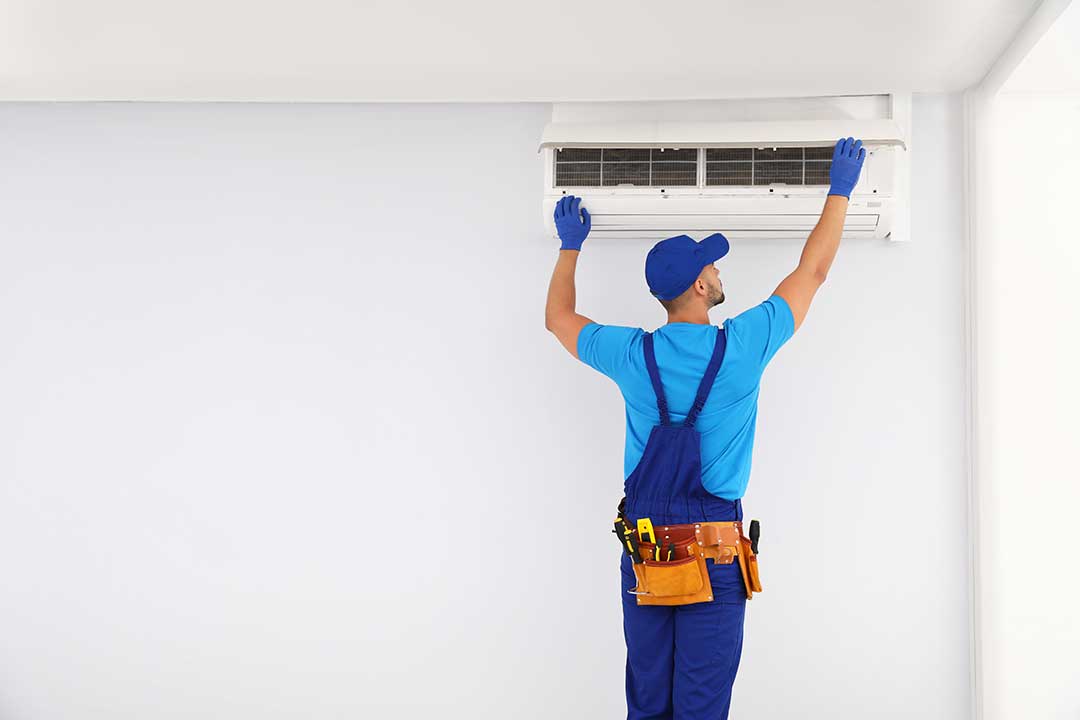
Double-check the dimensions and airflow arrows each time, and set reminders if changing on a seasonal schedule.
How Can Filter Changes Help With Local Air Quality?
Portage experiences dramatic shifts in pollen, humidity, and outdoor air quality throughout the year. During summer, windows often stay closed due to heat and humidity, so HVAC filters become the main barrier against dust, dander, and airborne irritants. Regular changes help trap more allergens during spring pollen spikes, pet shedding season, or when outdoor burning causes extra particulates to enter homes. For area families, this can mean fewer allergy symptoms and less visible dust settling on furniture.
Can Delaying Filter Replacement Cause Other Problems?
Letting a filter get too dirty can increase strain on your equipment and reduce comfort indoors:
- Reduced airflow may lead to uneven room temperatures, “stuffiness,” or higher humidity in summer
- Higher blower motor workload can cause overheating or mechanical wear
- Clogged filters sometimes allow dust to accumulate on heating or cooling coils, which can decrease efficiency or trigger expensive repairs
For homes in Portage, where winter heating is critical and cooling is valued on humid days, routinely checking filter condition heads off many preventable issues.
What If You Have Special Situations, Like Home Remodeling or Wildfire Smoke?
Some events may require more frequent filter checks:
- After interior construction or sanding, tiny debris can clog filters almost immediately
- If outdoor events—such as wildfire smoke plumes—blow through the city, filters can become loaded with fine particles faster than usual
- New move-ins should inspect HVAC filters right after settling in, as previous residents may have skipped regular changes
Adapting your filter routine to these changes keeps air cleaner and the system running smoothly year-round.