

 See My Latest Article on HelloNation
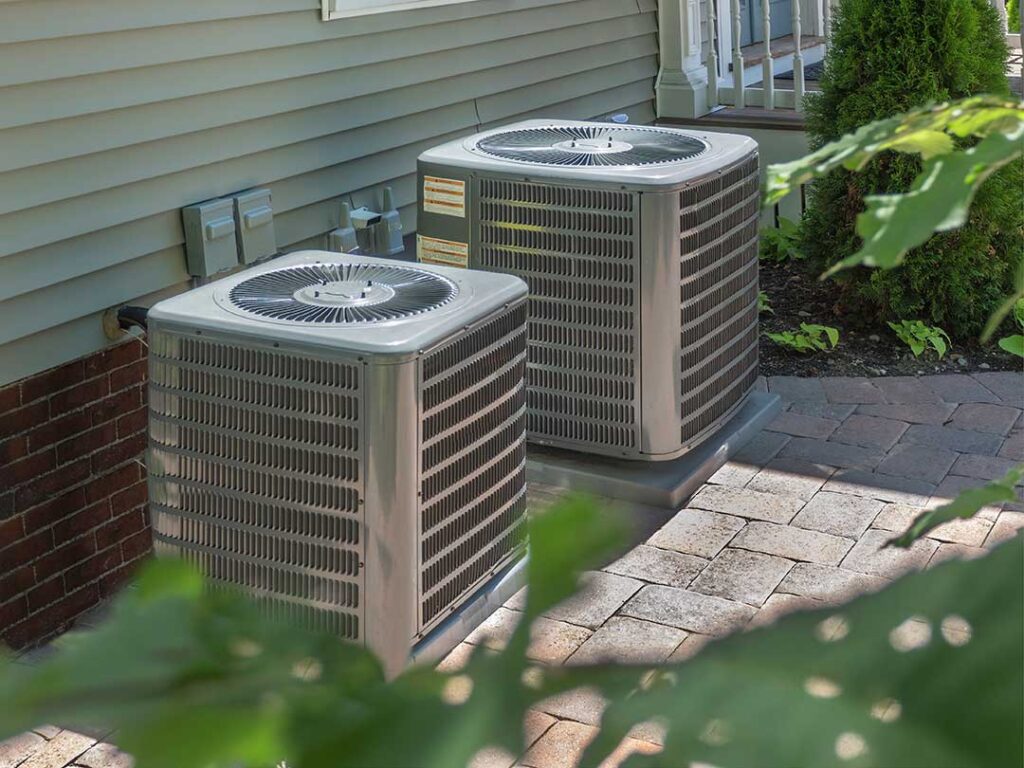
Can Your HVAC System Really Affect Allergies?
Yes, your HVAC system plays a meaningful role in how allergens move through your home’s air. The system continually circulates air—along with pollen, dust, pet dander, mold spores, and other microscopic particles that can trigger allergy symptoms. In regions like Portage, WI, where seasons and pollen levels fluctuate, the way a home’s heating and cooling setup is maintained may directly influence indoor air quality and how much allergens linger indoors.
Modern HVAC systems don’t produce allergens themselves, but they can either help trap and remove particles, or, if neglected, end up blowing them around the house. How well an HVAC system controls allergens often depends on the type of filters you use, how frequently you maintain the system, and other aspects of household habits.
What Kinds of Allergens Are Common in Homes Here?
In Portage, the most common allergens that find their way indoors are:
- Tree and grass pollen—especially noticeable during the spring and summer months
- Mold spores, often thriving in damp basements or poorly ventilated spaces
- Dust mites, which prefer carpeting and upholstery
- Pet dander, for households with dogs, cats, or small mammals
Compared with some parts of the country, homes in this area may have an extra challenge due to seasonally high humidity and long winters that limit how often people can open up windows for fresh air. This can lead to the gradual buildup of indoor allergens without diligent upkeep of ventilation and filtration systems.
Which Parts of the HVAC System Matter Most for Allergies?
The two major components of your HVAC setup that impact indoor allergens are filters and ductwork. The system’s filter is designed to trap larger particles—like dust and pollen—as air passes through. Ductwork can either help distribute clean, filtered air or, if dirty, recirculate old dust and debris.
Filter choices and upkeep:
- Standard fiberglass filters trap only large particles and don’t catch many airborne allergens.
- High-efficiency filters (rated MERV 8 or higher) can capture smaller particles like pollen, mold spores, and pet dander.
- Filters need to be replaced or cleaned regularly—every 1–3 months, depending on the home, pets, and air quality (more often during the peak of pollen or heating season).
Duct cleaning and maintenance:
- Over time, ducts can collect dust, hair, and microbial growth, especially if there are leaks or moisture problems.
- Ducts don’t need frequent cleaning for most homes, but if you notice visible mold, musty odors, or worsening allergies when the system runs, an inspection may be worthwhile.
Do Air Conditioners and Furnaces Make Allergies Worse?
They can, if not properly cared for. Both air conditioners and furnaces move air—and whatever’s suspended in it—around the house. A poorly maintained system with dirty coils, blocked filters, or leaks in ductwork may actually contribute to a buildup of allergens.
Heating creates dry air, which can irritate nasal passages but also helps limit dust mites, which prefer moisture. Air conditioning helps reduce indoor humidity, which discourages mold growth, but only if the system is draining properly and filters are replaced regularly.
If you notice increased symptoms during the heating or cooling season, it may be an indicator that filters need attention, or that moisture is collecting where it shouldn’t. Damp spots near equipment should always be investigated, as they can harbor mold.
What Practical Steps Can Residents Take to Reduce Allergens Indoors?
Local households looking to manage allergies through their HVAC system can:
- Upgrade to the highest-efficiency filter their system can handle, based on manufacturer instructions.
- Change or clean filters once a month during peak pollen season or if there are pets in the home.
- Keep air intake and vents unobstructed and regularly dusted.
- Run the system’s fan on “Auto” rather than “On” to reduce unnecessary air movement (unless using a high-efficiency filter).
- Use bathroom and kitchen exhaust fans to reduce moisture and prevent mold.
- Check for leaks or condensation around HVAC equipment, especially in basements or crawl spaces, and address excess humidity with a dehumidifier if levels regularly exceed 50%.
- Schedule a checkup for the system if you notice unusual dust, odors, or increased allergy symptoms despite using good filters.
Are Portable Air Purifiers or Humidifiers Worth Considering?
Portable air purifiers with HEPA filters can supplement the main HVAC system, especially in frequently used rooms or bedrooms. They’re helpful for individuals with severe allergies or when pollen counts are high outdoors. However, they work best alongside—not instead of—regular HVAC maintenance. Humidifiers can help maintain comfortable indoor air during dry winter months, but if left unmonitored, they may over-humidify and support mold or dust mites. For most homes in this area, keeping indoor humidity between 30–50% is a good target for both comfort and allergy control.
What About Opening Windows to Get Fresh Air?
Opening windows can refresh indoor air but also invites outdoor pollen and mold spores inside, particularly during spring and early summer. For those with severe pollen allergies in Portage, it may be better to keep windows closed on high-pollen days and rely on filtered HVAC circulation instead. Local pollen levels are usually highest in the early morning and on breezy, sunny days. Checking daily pollen forecasts during allergy season may be helpful for deciding when to keep windows closed.
Do Older Homes or Newer Homes Have More Problems?
Both older and newer homes in the area can present HVAC-related allergy issues, but for different reasons:
- Older homes may have ductwork that’s accumulated years of dust or may lack proper sealing, leading to leaks or the spread of dust from attics and crawl spaces.
- Newer homes, built more tightly for energy efficiency, often have less natural ventilation, meaning allergens can build up if air isn’t filtered or exchanged adequately.
Ongoing filter changes, humidity monitoring, and periodic ventilation all make a difference, regardless of home age.
Common Misconceptions About HVAC and Allergies
- “A new HVAC system solves allergy problems by itself.”
Even new systems rely on good filter choices and regular upkeep; there’s no permanent fix without continued attention.
- “The more airflow, the better.”
Only if the system is clean and properly filtered; more airflow with dirty filters spreads allergens.
- “All filters are the same.”
Filter ratings (MERV values) matter for trapping particles likely to cause allergic reactions.
By staying mindful of filter maintenance, local conditions, and seasonal patterns, residents can use their HVAC system to reduce indoor allergens and breathe a bit easier throughout the year.