

 See My Latest Article on HelloNation
What Is a Heat Pump and How Does It Provide Heating and Cooling?
A heat pump is a type of HVAC system that can both heat and cool a home by transferring heat between indoors and outdoors. Unlike a traditional furnace or air conditioner that generates heat or cold air, a heat pump moves thermal energy using refrigeration technology. This efficient process is especially relevant for homes in Portage, WI, where winters can be cold but summers still bring humidity and heat.
In heating mode, a heat pump extracts heat from the outside air—even in chilly conditions—and brings it inside. In cooling mode, it works in reverse, pulling heat out of indoor air and releasing it outside, much like a standard air conditioner.
How Does a Heat Pump Actually Move Heat?
At its core, a heat pump uses electricity and a refrigerant loop to move heat. The main components are:
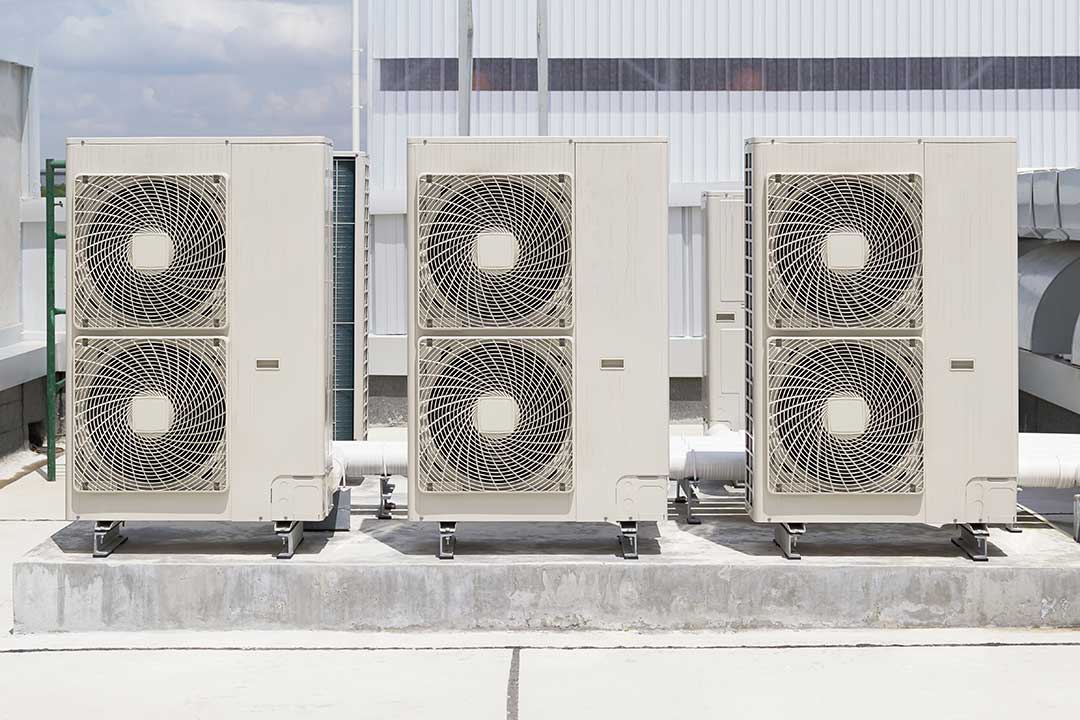
- An outdoor unit (condenser)
- An indoor unit (air handler)
- Refrigerant lines connecting the two
- Expansion valve and reversing valve
During winter, the refrigerant absorbs heat from the outside air, even when temperatures are below freezing. This “captured” heat is compressed, boosting its temperature. The warm refrigerant flows indoors, where the warmth is released through the air handler.
When summer arrives, the process reverses. The heat pump absorbs heat from inside your home and releases it outdoors, cooling your living space.
Are Heat Pumps Effective in Places Like Portage?
Heat pumps can be very effective in Portage, but their performance depends on the local climate and the type of heat pump system. While older models were primarily used in milder climates, today’s cold-climate heat pumps are engineered to work reliably in areas that experience freezing temperatures, including Portage.
Some key considerations for the area:
- Winters can see temperatures below zero, but modern air-source heat pumps are still capable of extracting heat from the air, though their efficiency may decrease as the temperature drops.
- Many households in the city use a heat pump as part of a “dual fuel” system, pairing it with a backup heating source (like a gas furnace) for the coldest days.
What Are the Main Types of Heat Pumps Used Locally?
Most homes in Portage use one of these main types:
- Air-source heat pumps: The most common choice, transfers heat between indoor air and outside air.
- Ductless mini-split systems: Ideal for homes without central ductwork. Each room or zone has a dedicated indoor unit.
- Ground-source (geothermal) heat pumps: Extract or deposit heat in the ground. These are less common due to higher installation cost and space requirements, but they perform well in very cold weather.
In standard single-family homes and multifamily buildings in the area, air-source systems and ductless models are the most feasible.
How Efficient Are Heat Pumps Compared to Furnaces or Air Conditioners?
Heat pumps are generally more energy-efficient than systems that create heat using electricity or combustion. Because they move heat rather than generate it, they can deliver several units of heat for every unit of electricity used.
For example:
- Air-source heat pumps can be 2–3 times more efficient than standard electric resistance heating in typical Portage weather.
- Modern cold-climate models maintain reasonable efficiency even below 0°F, though their performance does drop with extreme cold.
During warmer months, heat pumps act as high-efficiency air conditioners.
What Are Practical Upsides and Limitations for Local Residents?
Practical benefits:
- Energy efficiency: Lower utility bills for heating and cooling, especially in all-electric homes.
- *Year-round comfort:* One system manages both heating and cooling.
- *Air quality:* Many models include dehumidification and filtration.
Limitations to understand:
- *Performance in extreme cold:* Heat pumps may need help from a backup heat source during extended cold snaps, which are possible in Portage winters.
- *Defrost cycles:* In subfreezing weather, the outdoor unit occasionally defrosts itself (briefly reversing operation). This is normal but can surprise new users.
- *Installation factors:* Older homes without ducts may need ductless systems or upgrades to existing setups.
What Factors Should Residents Consider When Thinking About a Heat Pump?
Anyone in the area considering a heat pump for their home should think about:
- *Local climate patterns:* Cold-climate heat pumps are designed for northern winters; check manufacturer specifications for performance at low temperatures.
- *Existing infrastructure:* The presence of ducts, insulation quality, and window tightness can all impact overall comfort.
- *Electric rates and backup heat source:* Costs and compatibility with secondary systems (such as existing furnaces) may influence total savings.
- *Sizing and placement:* Systems must be sized correctly for the home and professionally installed for best results. Oversized or undersized units won’t perform efficiently.
What Are Common Misconceptions About Heat Pumps in This Region?
It’s sometimes assumed that heat pumps don’t work at all in very cold weather. While that was true of older technology, today’s systems can function well down to single digits and below, albeit with lower efficiency. Other frequent misunderstandings:
- A heat pump still delivers heat on cold days—just less efficiently. Having supplemental or emergency heat doesn’t mean the heat pump isn’t working.
- The air temperature from vents is often cooler than what a furnace produces but will heat rooms evenly over time.
- Icing on an outdoor unit during winter is normal. Brief defrost cycles are part of standard operation, especially during the region’s variable winters.
Are There Any Local Codes or Incentives That Affect Heat Pump Installation?
Local building codes generally set standards for installation safety and electrical requirements. There may also be utility programs, local government incentives, or regional efficiency initiatives aimed at encouraging energy-saving heating and cooling equipment, including heat pumps.
Portage households interested in upgrading should review any local energy efficiency programs, but it’s not mandatory to participate in order to install these systems. Always confirm that an installation meets applicable regulations for electrical work and safety.