

 See My Latest Article on HelloNation
How Can Portage, WI Residents Reduce Cooling Costs Without Sacrificing Comfort?
Smart cooling starts with matching your habits and home to the unique climate patterns in Portage, WI. While summer temperatures here rarely rival southern states, local humidity, fluctuating warm spells, and traditional Midwestern home construction can still drive up energy use. By fine-tuning daily routines and making small home adjustments, local residents can keep cool and save money throughout the summer.
What Temperature Should You Set Your Thermostat During Summer?
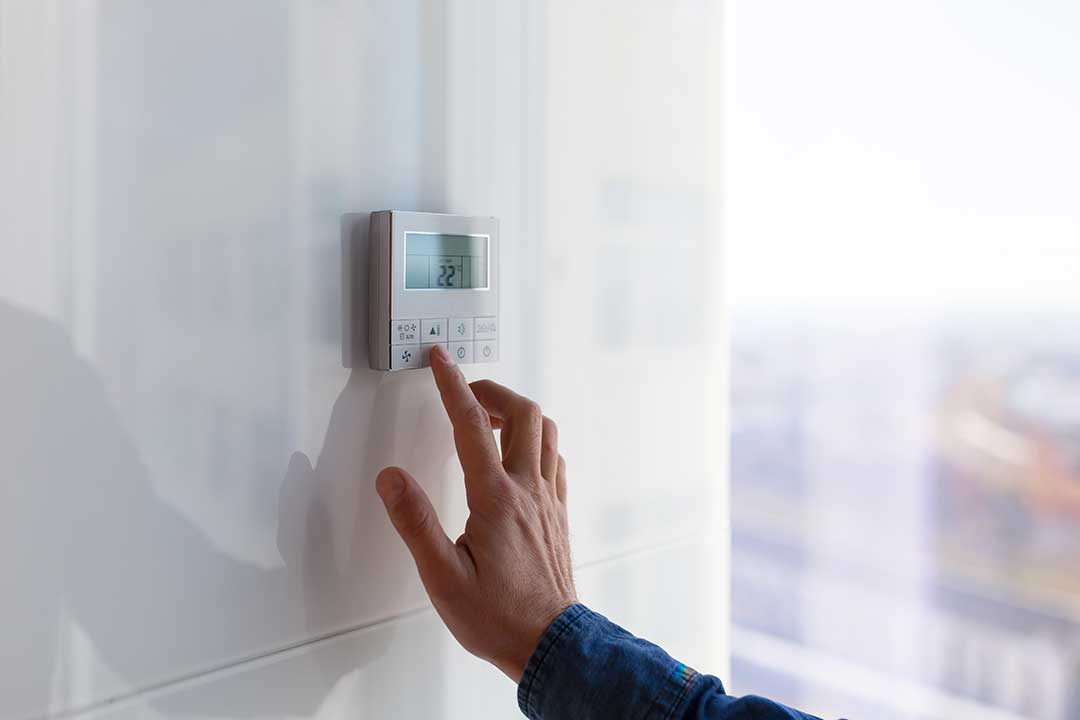
Set thermostats to the warmest temperature that feels comfortable; many in Portage find 76–78°F effective during the day when at home. At night, or when the house is unoccupied, setting the thermostat even higher reduces unnecessary cooling. Each degree above 72°F can cut cooling costs by as much as 3%, especially on muggy Wisconsin days.
Smart thermostats or programmable units help by automatically adjusting settings while you’re at work, asleep, or away, maximizing efficiency for local households juggling irregular schedules.
Does Humidity Control Make a Difference in Staying Cool?
Yes. High humidity is common in Portage, especially near the Wisconsin River and after rainstorms. Even moderate temperatures can feel stifling with excess moisture in the air. Running an air conditioner not only cools but removes humidity. However, overcooling is unnecessary if you use ceiling fans and a dedicated dehumidifier on extra sticky days.
Proper ventilation—like using bathroom and kitchen exhaust fans or briefly opening windows early in the morning when outdoor air is drier—can also help control indoor humidity, so your AC doesn’t have to work overtime.
Are Fans Helpful for Saving Energy?
Fans create a wind-chill effect, making rooms feel cooler without lowering the temperature. Ceiling fans set to spin counterclockwise during summer circulate air efficiently, letting you raise the thermostat setting by several degrees without sacrificing comfort. Window fans placed strategically—drawing in cool morning air and exhausting hot air during late afternoon—can also reduce reliance on central AC for much of the day.
Always turn fans off when leaving a room, since they cool people, not spaces.
How Does Home Insulation Impact Summer Cooling?
Proper insulation isn’t just for winter. In older Portage homes, original attic insulation can degrade or shift over time, letting cool air escape and inviting summer heat. Adding or upgrading attic and wall insulation—particularly in houses built before the 1980s—reduces both cooling and heating demands.
Sealing gaps around windows, doors, and attic access points helps maintain steady temperatures. Use caulk or weatherstripping to address drafts, as air leaks force HVAC systems to run longer.
Are There Low-Cost Modifications That Make a Noticeable Difference?
Several affordable strategies help minimize AC run time:
- Close window coverings on sunny sides of the house, especially during peak afternoon hours. Cellular shades or blackout curtains provide insulation against solar heat.
- Use outdoor shading if possible—awnings, shade sails, or even patio umbrellas on the sunniest windows prevent direct heat gain.
- Grill or cook outdoors on especially hot days to keep cooking heat out of the kitchen.
- Regularly clean or replace HVAC filters—Portage households often run systems continuously for weeks during humid stretches, so filters can clog more quickly.
Can Landscaping Influence Home Cooling Needs in the Community?
Well-placed trees and shrubs can naturally shade walls and windows. Mature trees on the south and west sides of a home block hot afternoon sunlight, a time when cooling systems in Portage work hardest. If planting new trees, choose species suited to the local climate that provide dense summer shade and lose leaves in fall to allow winter sun through. For renters or those in multifamily housing, even potted tall plants or movable screens on balconies provide modest shading benefits.
How Do Local Habits Affect Energy Savings?
Community practices have an impact. Many area households wait until late evening to run large appliances like dishwashers and clothes dryers, avoiding extra indoor heat during the hottest times of day. Simple habits—like turning off lights, keeping doors closed, and unplugging unused electronics—add up, especially in homes with multiple occupants or busy summer routines.
Are There Limitations or Common Misconceptions About Cooling in Portage?
It’s a misconception that running AC at a very low temperature will cool a home faster—most systems deliver cool air at a fixed rate, so extra-low settings only prolong run time and increase costs. Similarly, frequent thermostat changes can make systems cycle on and off, unintentionally using more energy. Portable air conditioners offer only limited savings; in homes with multiple rooms or open floor plans, they may not be adequate or efficient for whole-home comfort.
What Maintenance Tasks Are Necessary for Efficient Cooling?
Routine maintenance makes a difference:
- Make sure supply and return vents are unblocked by furniture, rugs, or curtains.
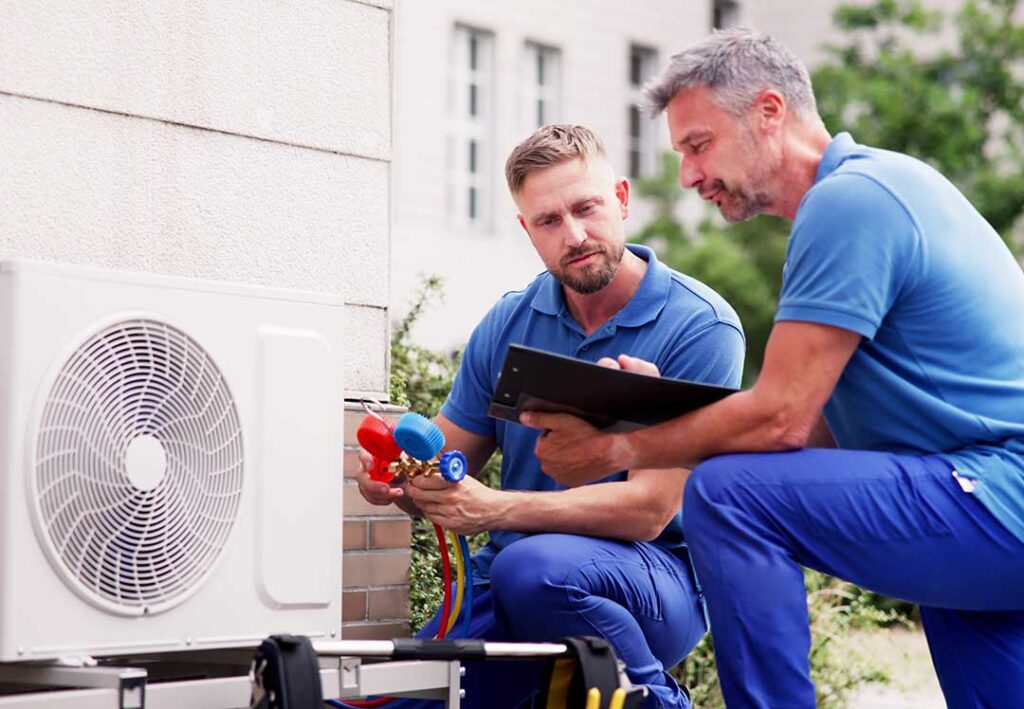
- Remove debris from outdoor AC units, as grass clippings and leaves can restrict airflow.
- If your house uses window AC units, seal gaps with foam to minimize warm air intrusion.
- On older systems, check manual condensate drains for blockages.
Residents with allergies may want to change filters more frequently during the pollen-heavy spring and summer seasons common to the region.