

 See My Latest Article on HelloNation
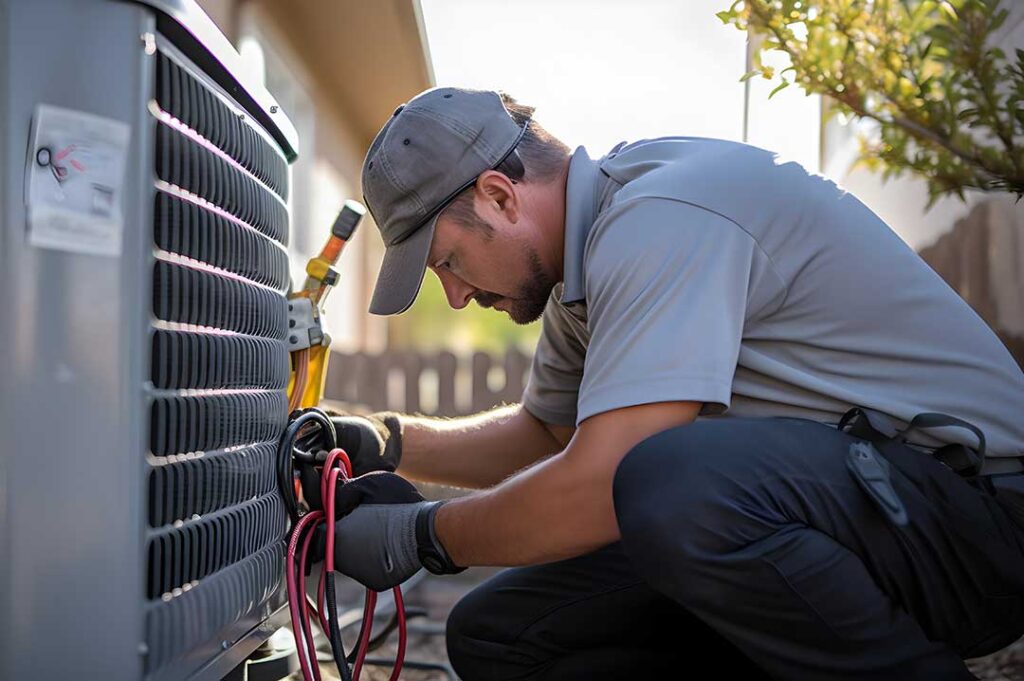
What Changes Might Suggest Your Air Conditioner Needs Maintenance?
A sudden change in your home’s cooling comfort or energy bill can signal that your air conditioner is due for service. Subtle performance dips are often the earliest indicator before obvious breakdowns occur, especially during the warm, humid summers in Portage, WI.
Small signs to watch for include:
- The unit runs longer than normal to cool the same space
- Airflow feels weaker from vents, even with the thermostat set as usual
- Rooms develop uneven temperatures or hot spots
Residents sometimes overlook these symptoms, chalking them up to temperature swings outside, but they are a reliable heads-up that maintenance is needed. Staying alert to your system’s usual habits makes it easier to spot these early shifts.
Why Does the AC Blow Warm Air Instead of Cold?
When an air conditioner blows out air that isn’t cool, it usually means something isn’t working as designed. This might be caused by a clogged air filter, low refrigerant, or a compressor issue.
The most common reasons for warm air include:
- Filters that haven’t been changed in several months
- Refrigerant leaks (which are possible in older homes common throughout Portage)
- Thermostat settings changed accidentally—such as being switched to “fan only” instead of “cool”
Residents often overlook the filter, but Portage’s pollen-heavy springs and dusty rural surroundings can clog filters faster than people expect. Checking this first is a practical starting point.
Should Loud Noises or Strange Smells From the AC Raise Concern?
Sudden sounds or unfamiliar odors are some of the most clear-cut signals that attention is needed. Air conditioners generally operate with a steady, low hum. Rattling, banging, screeching, or whistling can all indicate wear, loose parts, or debris in the system.
Common reasons include:
- Objects or dirt stuck in the fan blades
- Worn belts or failing blower motors
- Build-up of mildew or moisture inside ducts
- Electrical burning odors, which should never be ignored
In Portage, homes frequently use basements for air conditioning equipment, making it easier for moisture or musty smells to go unnoticed for a time. Addressing these signs early can help prevent larger issues.
How Does Excess Moisture or Leaks Around the System Factor In?
Pooling water or excess condensation near the indoor unit signals a problem with drainage or humidity control. The region’s summer humidity means condensate lines have to work efficiently.
Leaking water may mean:
- A clogged or disconnected drain hose
- Ice build-up on evaporator coils, sometimes due to low refrigerant
- Excess indoor humidity the system can’t manage
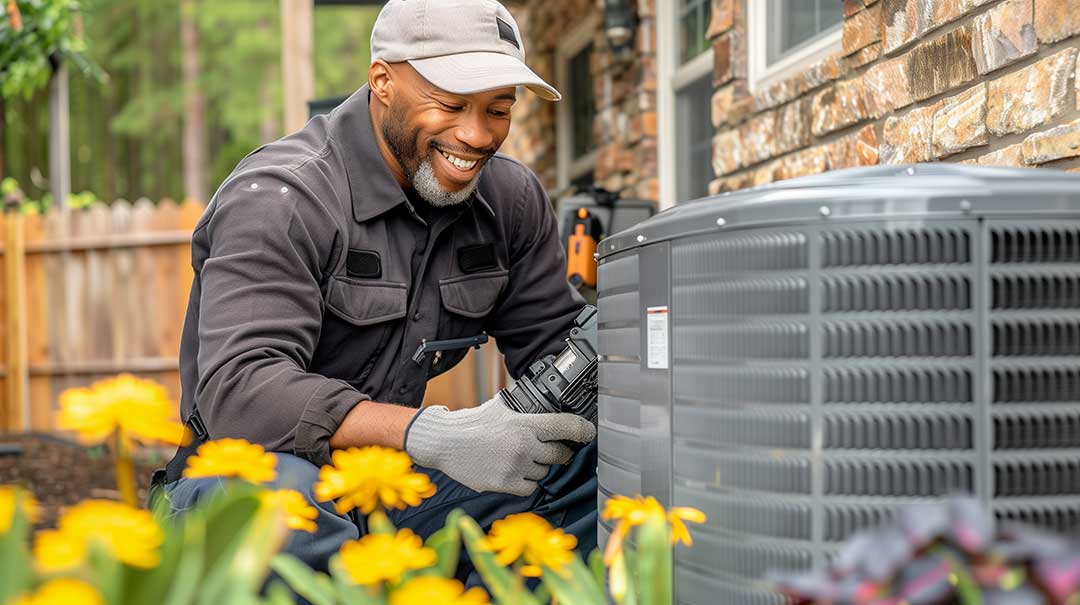
Ignoring water can lead to mold, which is a concern in damp basements throughout the city. Even small puddles shouldn’t be dismissed, as they can signal a problem that risks both equipment and indoor air quality.
Is the Thermostat Affecting Cooling Even If the System Looks Fine?
Sometimes residents in Portage misdiagnose cooling problems as major equipment failures when the real culprit is a malfunctioning thermostat. A faulty or aging thermostat may:
- Cause the system to cycle on and off rapidly or not start at all
- Misread the actual temperature in the home, especially in drafty or sun-exposed rooms
- Lead to uneven cooling if set incorrectly or if batteries are low
Testing the thermostat with a basic thermometer can confirm whether it’s sensing temperatures accurately. Inaccurate readings are a common frustration in older homes typical in many neighborhoods around the city.
Are Increasing Energy Bills a Reliable Indicator of Needed Maintenance?
Spikes in electricity costs, especially if cooling habits have not changed, are a red flag. An air conditioner working harder than usual due to maintenance needs will draw more power. Higher bills often relate to:
- Clogged filters or coils
- Leaky ducts (especially common in older, unsealed systems)
- Overrun compressors having to compensate for lost efficiency
Area households sometimes attribute higher energy use to “just the weather,” when in fact a poorly maintained AC is running overtime. Comparing this year’s energy use to last summer’s can reveal early warning trends.
How Often Should Portage Residents Check Their Air Conditioning Systems?
Air conditioning systems in Portage homes endure cycles of heavy use from late spring through early fall. A good practice is to check filters monthly during these periods, and to observe for any of the above signs at the start of each season.
Regular attention helps catch small issues before they become disruptive outages during hot spells. It’s especially helpful after periods of heavy dust (common during spring thaw) or after a severe local storm that might have pushed debris or moisture into the system.