

 See My Latest Article on HelloNation
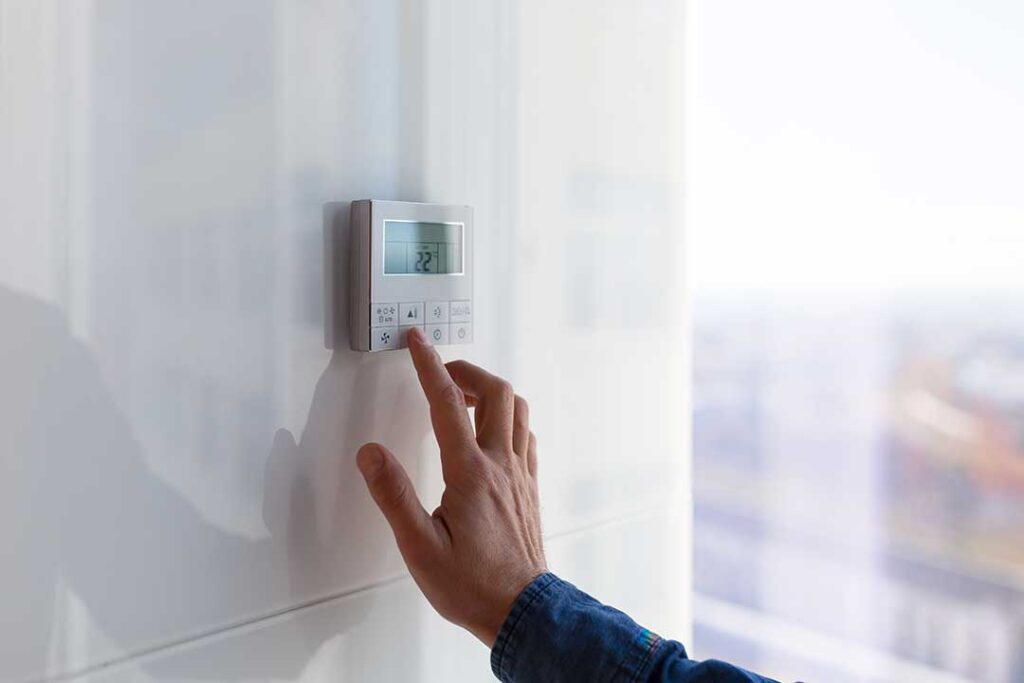
How Does Humidity Interact with HVAC Systems in Portage, WI?
Humidity is the measure of water vapor in the air. Local residents notice how it can make hot days feel sticky or cold air feel even chillier. But humidity isn’t just a comfort issue—it interacts with home HVAC systems in ways that impact performance, efficiency, and air quality throughout much of the year in Portage, WI.
In this area, cold, dry winters and hot, often humid summers mean local homes must cope with large swings in both temperature and humidity. Home heating and cooling equipment is directly affected by these moisture levels, often in ways that surprise homeowners.
Why Does High Humidity Make Cooling Less Effective?
Excess humidity in summer makes air feel heavier and warmer, even when AC is running. This happens because as humidity increases, sweat evaporates more slowly from the skin, making it harder for the body to cool itself. Inside the home, air conditioners do remove some moisture along with heat, but there are limits to what most systems can handle.
Here’s what area households might notice when humidity is high:
- Air feels clammy or sticky even at a comfortable temperature setting
- Cooling system runs longer or struggles to reach the thermostat temperature
- Windows may develop condensation, especially in well-sealed or newer homes
Most air conditioners are sized based on cooling load, not moisture removal. When local summers bring elevated humidity, the AC coil works as both a cooler and a dehumidifier, but even well-maintained systems may not get humidity down to the recommended range of 30-50%. This can lead to discomfort, higher utility bills, and sometimes unwanted mildew or dampness.
What Happens When Winter Air Is Too Dry?
Dry air is a common problem during cold spells in Portage. When furnaces run to keep homes warm, they often strip even more moisture from already-dry winter air. This not only leads to discomfort but can affect the HVAC system and indoor environment in several ways.
Typical signs include:
- Static electricity buildup
- Dry skin, irritated sinuses, or sore throats
- Cracked woodwork or shrinking hardwood floors
- Nosebleeds, especially among sensitive family members
If air gets too dry, it can also:
- Cause seals or gaskets inside HVAC equipment to become brittle
- Allow more dust to circulate, impacting air filtration
- Make the heating system work harder to keep the house feeling warm, since dry air can “feel” colder than humidified air at the same temperature
In these conditions, many area households consider humidifiers or other solutions to maintain more stable indoor comfort.
Can Humidity Affect the Lifespan of HVAC Equipment?
Yes—both high and low humidity can influence how long equipment lasts and how well it performs over time. In climates like Portage, shifts in moisture mean systems are often exposed to conditions that increase wear.
High humidity can:
- Promote corrosion or rust on metal ductwork and coil surfaces
- Lead to mildew or mold growth inside air handlers or ducting, which is difficult to fully remove
Low humidity may:
- Dry out components, increasing the risk of cracks or premature gasket failures
- Cause more dust to bypass filters and clog moving parts, especially in older systems
Stable, balanced humidity reduces this wear, keeps systems running efficiently, and means fewer surprise repairs for local homeowners.
What Is the Ideal Indoor Humidity Level for Comfort and Health?
For most homes in this community, the best range for comfort and safety is 30-50% relative humidity. This strikes a balance where air isn’t too damp or too dry, minimizing mold risk while also reducing health and comfort complaints.
Reaching this ideal range year-round may require:
- Using dehumidifiers during muggy summer stretches
- Adding portable or whole-house humidifiers in the depths of winter
- Checking window and door seals to prevent moisture intrusion from rain or snowmelt
It’s particularly useful for area residents to monitor indoor humidity with a digital meter (“hygrometer”), as large swings can go unnoticed until problems appear. Some smart thermostats also measure and display this value, making tracking easier.
Do Home Materials and Construction in Portage Affect Humidity Control?
Absolutely. The way homes are built—including age, insulation, and window quality—changes how humidity moves indoors and out. Older homes in the area may be more “leaky” and allow moisture to pass through the walls, making it harder to keep humidity stable but helping with excess moisture in summer. Modern, well-sealed homes often trap moisture inside, enabling mold growth or window condensation, especially if ventilation isn’t managed. Basements and crawl spaces are unique trouble areas for this community. During wet periods or snowmelt, excess ground moisture may seep in, driving up indoor humidity and challenging HVAC equipment to keep up. Addressing these sources is as crucial as adjusting the heating or air conditioning settings.
What Misconceptions Do Residents Commonly Have About Humidity and HVAC?
Some assumptions about humidity and HVAC systems persist locally:
- “My air conditioner will always control humidity automatically.”
In reality, standard ACs have limited dehumidification capability. When conditions are extremely humid, they may not keep up. Oversized AC units that cool very quickly can make humidity worse by shutting off before removing enough moisture.
- “More heat means more comfort in dry winter air.”
Cranking up the furnace can actually make air drier and less comfortable. Humidity is equally important for a cozy home environment.
- “Window condensation means the windows are bad.”
Not always true—condensation on the inside often means too much indoor humidity, especially in airtight or energy-efficient homes. Understanding the actual cause of discomfort can prevent unnecessary repairs or upgrades and support smarter maintenance and troubleshooting.
What Can Area Households Do to Manage Indoor Humidity Better?
Several practical steps can help maintain a healthy, comfortable home environment in variable Midwest seasons:
- Use bath and kitchen exhaust fans consistently when cooking or showering
- Make sure gutters and downspouts direct water away from the foundation to limit basement dampness
- Avoid overwatering indoor plants (a hidden humidity source)
- Open windows briefly on milder days to allow fresh air in, especially after indoor activities that create moisture
- Check that the HVAC filter is clean—restricted airflow reduces both heating and humidity control performance
For persistent moisture or dryness, dedicated humidifiers or dehumidifiers may be needed. When unsure about home comfort issues, reliable information from independent local or state resources can help guide the right approach.