

 See My Latest Article on HelloNation
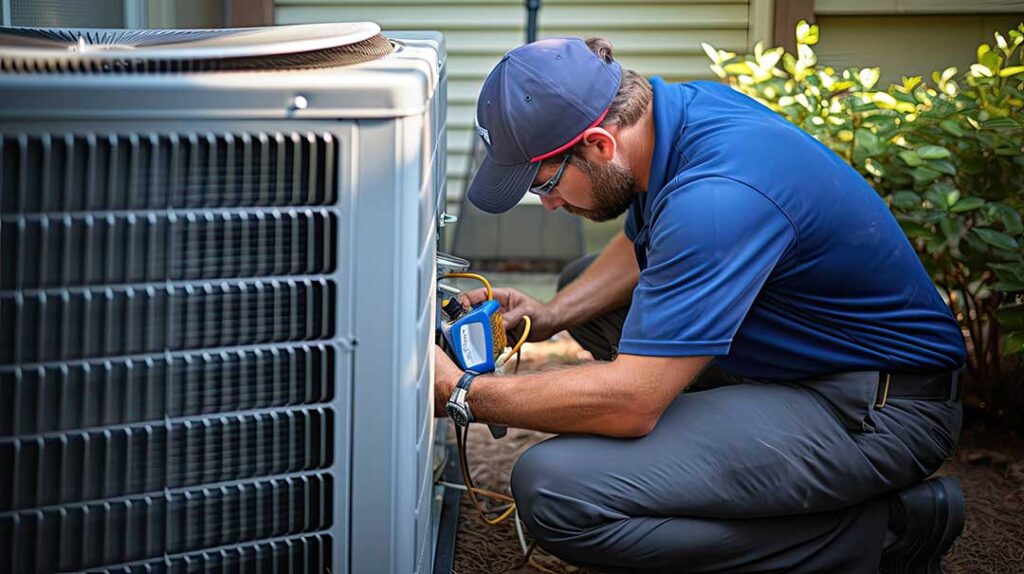
Why Do Air Conditioners Freeze Up?
Air conditioner freeze-ups are a common frustration for households in Portage, WI, especially during the hottest stretches of summer. When ice forms on the coils or lines, cooling suffers and energy bills rise. But why does this happen in the first place? Several preventable factors usually play a role.
Can Low Refrigerant Cause Freeze-Ups?
Low refrigerant is one of the most frequent reasons an air conditioner freezes. Every AC system relies on a precise amount of refrigerant to absorb and transport heat. When levels drop below their normal range:
- The pressure inside the evaporator coil falls.
- The coil’s temperature can drop below freezing.
- Moisture in the local air around the coil condenses and then freezes, creating a block of ice.
Leaks are often to blame—these can develop over years due to vibration, aging connections, or environmental factors like corrosion from road salt, which may be more common in northern climates like Portage. Many homeowners mistakenly believe adding more refrigerant will solve the issue; however, any loss typically indicates a leak requiring repair before recharging.
How Can Airflow Problems Lead to Ice Build-Up?
Reduced airflow is a top culprit behind air conditioner freezing problems in the city. When not enough warm air moves across the evaporator coil, temperatures can dip low enough to allow ice to form. Some specific, often-overlooked causes of poor airflow include:
- Dirty filters: Dust, pollen, and pet hair common in area households can quickly clog even relatively new filters. This restricts air movement and can freeze coils in as little as a few hours.
- Blocked vents or closed registers: Furniture, area rugs, or even seasonal decorations in older Portage homes may unknowingly cover air returns or supply vents, stifling airflow.
- Blower fan issues: Motor wear or a loose belt can reduce the amount of air circulated, especially late in a cooling season.
Routine filter changes—monthly during high-use periods—are particularly relevant in regions with varied pollen loads or in neighborhoods near wooded areas.
Why Does Humidity Play a Role?
Moist air is more likely to result in a frozen system. In Portage, muggy conditions, especially after summer rainstorms, can tax air conditioners by forcing them to remove extra moisture from the home’s air. When:
- Humidity is high, more condensation naturally forms on the coils.
- If the coil is already operating below freezing temperatures, this moisture quickly becomes a layer of ice.
- Persistent high humidity, common along rivers and lakes near the city, can exacerbate this effect for some households more than others.
Many people assume a dehumidifier isn’t necessary if they have air conditioning, but in especially damp basements or main floors, supplemental moisture control can help reduce freeze-up risks.
How Do Mechanical Problems Contribute?
Beyond airflow or refrigerant issues, the following mechanical factors commonly lead to freezing:
- Malfunctioning thermostats: If a thermostat senses temperatures incorrectly (such as in a drafty hallway), it might run the unit too long and chill coils below safe limits.
- Stuck relays/controls: If parts that turn the compressor on and off become stuck, the system may over-cool and develop ice.
- Dirty coils: Portable fans and open windows, while helpful, can invite dust that settles on coils, reducing their ability to absorb heat efficiently and increasing the risk of icing over.
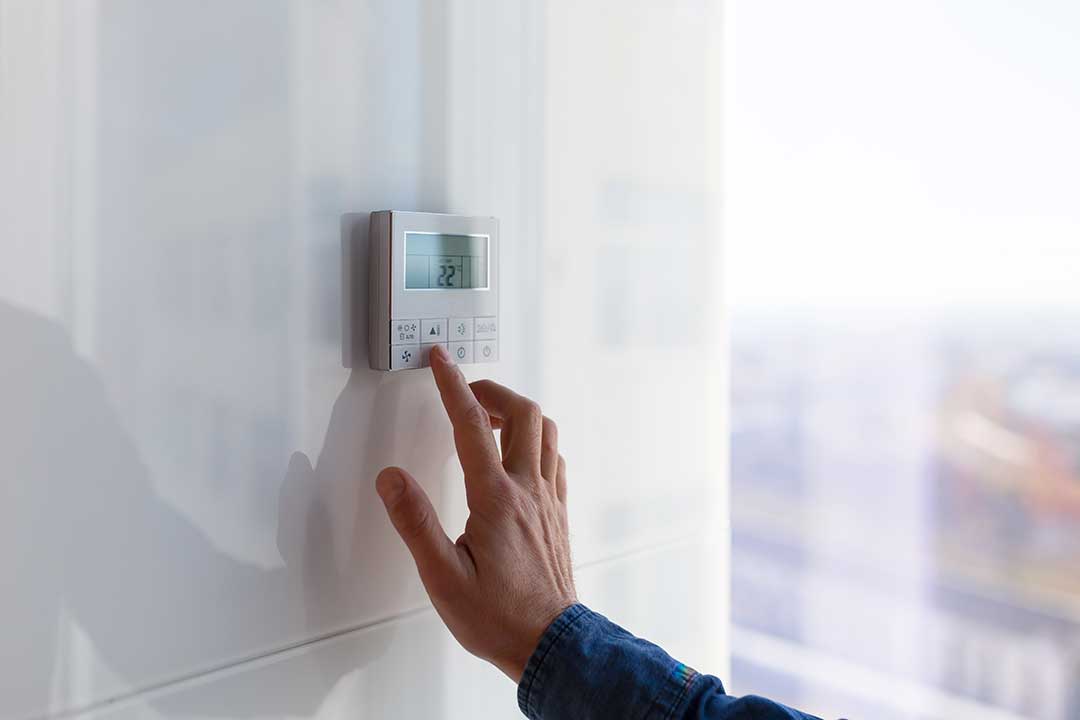
In Portage households with older air conditioner models, issues like these are especially prevalent as components age and wear out.
Are There Local Factors That Increase Freeze Risk?
Homes in the community face some unique challenges. The city’s climate, with its cold winters and humid summers, means air conditioners may spend long months idle, allowing moisture and debris to build up unnoticed. Specific local considerations include:
- Seasonal pollen: Spring and summer bring high tree and grass pollen counts, quickly clogging filters and system components.
- Prolonged inactivity: After long winters, an AC system turned on for the first time in May or June can reveal issues that have developed during the off-season—such as stuck parts or unnoticed moisture intrusion.
- Older housing stock: Many homes in the city are decades old, sometimes with original ductwork and less efficient insulation, increasing the likelihood of airflow irregularities and system strain.
What Misconceptions Do People Have About AC Freeze-Ups?
Some common misunderstandings among local homeowners include:
- Believing that lowering the thermostat will cool the home faster (it often just increases freeze risk).
- Assuming that a frosted-over coil just needs to thaw before restarting the system; underlying causes can persist or worsen if not addressed.
- Overlooking the role of regular filter changes, especially in homes with pets or during construction and remodeling projects.
What Can Residents Do to Prevent Freeze-Ups?
A few practical, locally relevant tips for prevention and prompt response include: Change air filters before and during heavy cooling seasons (ideally monthly). Ensure supply and return vents are unobstructed by furniture, curtains, or décor. Monitor for rising humidity and consider dehumidifiers in persistently damp spaces. Turn off the system and allow it to thaw if freezing is suspected, then investigate root causes before resuming use to avoid further damage.
Persistent freeze-ups may point to larger mechanical or refrigerant problems that can impact system longevity and efficiency, especially for local residents relying on their units through the region’s humid summer months.