

 See My Latest Article on HelloNation
Can Your HVAC System Really Help Reduce Dust in the Home?
A properly maintained HVAC system does play a significant role in reducing household dust. By circulating and filtering air, your system helps capture airborne particles that would otherwise settle on surfaces. However, many local residents don’t always see results because of missed maintenance or improper usage. In Portage, WI, with both older homes and newer builds, it’s common for dust to enter from various sources—outdoor air, human and pet activity, and even from inside walls or attics.
What Are the Most Effective HVAC Settings for Minimizing Dust?
Running an HVAC fan in “AUTO” mode, instead of “ON,” is typically more effective for dust control in most homes. Here’s why:
- “AUTO” only operates the fan when heating or cooling cycles are active, helping reduce the spread of dust while minimizing energy use.
- “ON” runs the fan constantly, which can stir up settled dust, especially if the ductwork isn’t perfectly sealed.
For residents with allergies or higher dust levels, running the fan for short, 15–30 minute periods outside of heating or cooling cycles can help clear the air more thoroughly without overdoing it.
How Important is HVAC Filter Choice and Replacement?
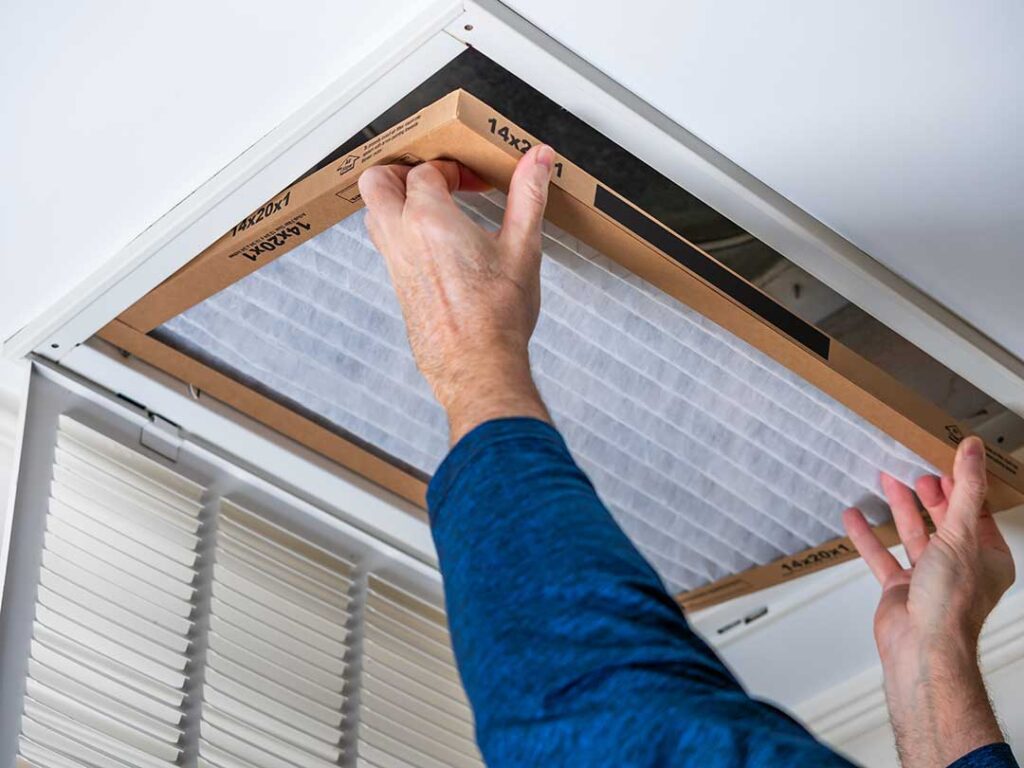
Your system’s filter is the most critical line of defense against dust. Standard filters trap large particles but might miss finer dust and allergens. In the city, where spring and fall can bring sudden bursts of pollen and debris, using a higher-rated filter (MERV 8–13, as recommended for home use) can noticeably improve indoor air quality.
Guidelines for filter use:
- Check filter packaging for the MERV (Minimum Efficiency Reporting Value) rating; higher numbers capture smaller particles.
- In homes with pets, high foot traffic, or those near fields or construction, filters may clog faster and require more frequent changing.
- Inspect filters every month during high-use seasons and replace at least every 2–3 months. Some homes, especially older ones with more air leaks, may benefit from monthly changes.
How Do Ducts and Vents Affect Dust Accumulation?
Leaky, dusty, or uninsulated ducts are a common but overlooked source of household dust. In Portage’s variable climate, ducts located in unconditioned spaces like attics or crawlspaces can pull in dust from these areas and circulate it throughout the home.
Key tips for local residents:
- Ensure all vents and return grilles are uncovered and free from obstructions (furniture, rugs, etc.).
- Consider sealing and insulating exposed ductwork as part of weatherization efforts.
- Periodic duct inspection is worthwhile, especially in older buildings or homes that have undergone recent renovations.
- Vacuum around floor vents and baseboards to prevent dust buildup at air entry points.
Can Humidity Levels Impact Dust in Local Homes?
Maintaining a balanced indoor humidity (ideally between 30% and 50%) makes dust less likely to become airborne. In the drier winter months in Portage, static electricity can make dust cling to surfaces and carpets, while overly humid summer conditions can promote dust mite activity.
Suggestions for managing humidity:
- Use a hygrometer to measure indoor levels.
- Whole-home humidifiers (in winter) or dehumidifiers (in summer) can help keep air comfortable and reduce dust movement.
- Be cautious not to over-humidify, as too much moisture creates other air quality issues.

Are Air Purifiers Useful if You Already Have HVAC?
Portable air purifiers with HEPA filters can further decrease dust in problem areas, such as bedrooms or living rooms where dust seems to settle quickly. These devices can work alongside your HVAC system and are especially helpful if you have limited ability to upgrade your central system’s filtration or have family members with allergies.
Are There Habits That Make a Noticeable Difference?
Residents often overlook simple habits that support a cleaner HVAC system and reduce overall dust:
- Keep windows and exterior doors closed during windy or high-pollen days, especially in spring and fall.
- Remove shoes at the door to avoid tracking in dust and debris.
- Brush pets regularly, ideally outside, to limit shedding in the home.
- Dust with damp cloths to trap particles, rather than using dry dusters that may launch debris into the air.
- Wash or vacuum curtains, upholstery, and rugs frequently, since these fabrics collect dust quickly in local homes.
Should Ducts Be Professionally Cleaned to Reduce Dust?
While overly dusty ductwork can contribute to the amount of household dust, duct cleaning is only necessary if there’s visible mold, heavy debris, or recent renovations that introduced construction dust. Routine vacuuming around vents and proper filter upkeep usually prevent excessive buildup. In most cases, a focus on regular maintenance provides better and longer-lasting results than occasional deep cleanings.
What About Newer vs. Older Homes in the Area?
Older homes in Portage often have more air leaks and less efficient ductwork, making dust control trickier. Sealing window frames, insulating attics, and weatherstripping doors can help keep outside dust from entering and circulating via the HVAC system. Newer homes, while generally tighter, still benefit from the practices above—especially filter upgrades and careful humidity management.
Common Misconceptions About HVAC and Dust
- It’s a misconception that the HVAC system alone will solve dust problems—a combination of filter choice, regular cleaning, and good household habits is needed.
- The belief that “HEPA filters fit all systems” is inaccurate; not every HVAC unit can handle extra-thick filters, so sizing and airflow matters should be checked carefully.
- Vents should never be fully closed off in unused rooms since this can disturb system balance and increase dust dispersion elsewhere.
By staying mindful of these steps and checking system performance each season, residents can enjoy less dust and cleaner indoor air throughout the year.