

 See My Latest Article on HelloNation
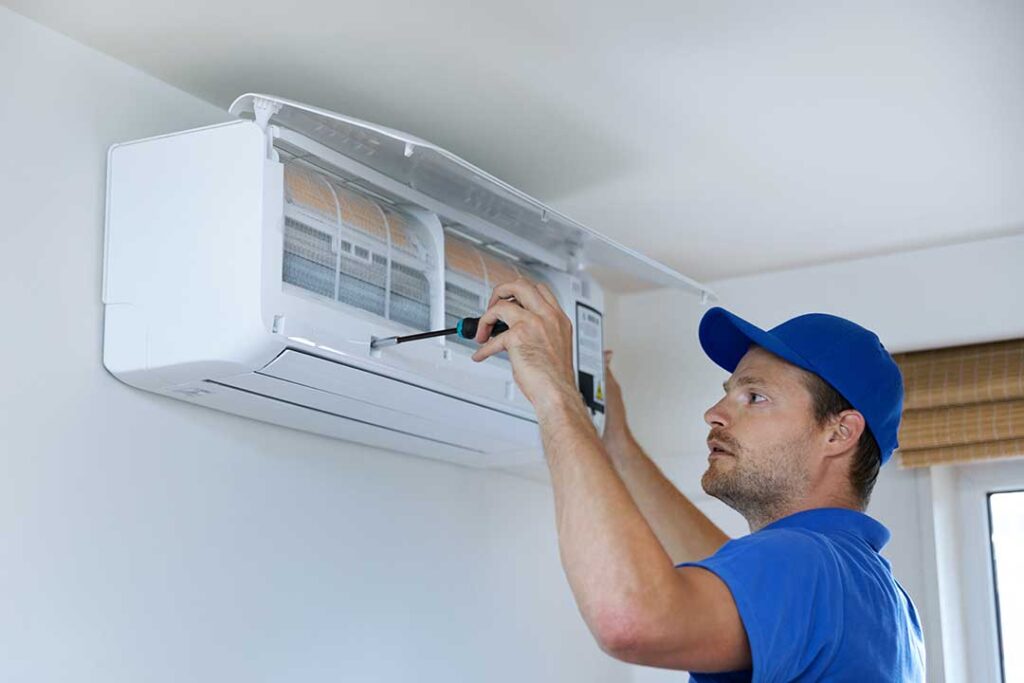
Why Is Ductwork Maintenance Important in Portage, WI Homes?
Clean, well-sealed ductwork helps maintain good air quality, heating, and cooling efficiency—an especially important concern in Portage, WI due to both humid summers and cold winters. Ducts that are neglected can distribute dust, allergens, and even mold spores, while also allowing heated or cooled air to leak, increasing energy bills and straining your furnace or air conditioner.
Most local homes are built with forced-air HVAC systems that rely heavily on ductwork running through basements, attics, or crawl spaces. These spaces can be prone to moisture, dust, and temperature swings, making regular inspection and upkeep crucial.
What Should Be Checked During a Duct Inspection?
During a typical inspection, residents should:
- Look for visible dust accumulation at supply and return registers
- Check accessible duct segments for separated joints, gaps, or loose connections
- Examine insulation on ducts in unconditioned spaces for signs of dampness, mold, or tears
A common misconception is that ducts only need attention if there’s a heating or cooling problem. In reality, small leaks or dust issues can silently reduce system performance or worsen indoor air quality over time.
How Often Should Ducts Be Cleaned or Serviced?
For most homes, visible ducts should be visually checked every year and professionally cleaned as needed—often every three to five years, unless there are specific concerns such as:
- Recent remodeling, creating extra dust
- Evidence of rodent or pest activity
- Allergies or unexplained respiratory symptoms among household members
- Musty or unusual odors coming from the vents
In Portage households with pets or high dust levels, more frequent checking may be warranted.
What Steps Can Residents Take to Maintain Ductwork Themselves?
Basic maintenance does not require special tools or expertise and can prevent many problems:
- Replace or clean HVAC filters each season—often overlooked, this single step reduces how much dust settles inside ducts.
- Vacuum vent covers and registers regularly.
- Wipe down visible surfaces where accessible—particularly supply registers in floors or baseboards.
- Seal obvious leaks around register boots and connections using UL-listed mastic or aluminum tape (never generic “duct tape,” which degrades quickly).
- Ensure no furniture, rugs, or storage items are blocking air returns or supply vents.
When performing these tasks, avoid pushing debris deeper into the ductwork and be cautious around insulation, especially if it appears wet or deteriorated.
How Can Residents Identify Air Leaks in Ductwork?
Many area homes lose heated or cooled air through small, unnoticed duct leaks—particularly in unfinished basements or attics. Signs of air leakage include:
- Rooms far from the furnace or AC staying noticeably colder or warmer
- “Whooshing” or whistling sounds at duct joints
- Higher-than-expected heating or cooling bills
To spot leaks, feel along accessible duct seams for moving air or use a tissue to check for subtle drafts while the HVAC system runs. In some cases, holding a flashlight next to a seam in a dark room may reveal dust blowing outward.
What Causes Moisture and Mold Problems in Ducts Locally?
Ducts running through unconditioned spaces in Portage are vulnerable to condensation—especially during muggy summer weather or if a clothes dryer vents poorly. Water inside ductwork can encourage mold growth, which is harmful to both the system and indoor air.
To minimize moisture risks:
- Make sure ducts in basements and crawl spaces are well-insulated and sealed
- Repair any leaks in the building envelope above and around the ducts
- Keep appliances vented to the outside, not into basements or attics

If persistent musty odors or visible mold are noticed, it may be necessary to address the underlying moisture issue before cleaning or replacing affected duct sections.
Are There Local Considerations for Older or Unique Homes?
In the city’s historic homes and farmhouses, duct layouts may be less accessible or lack insulation. Ducts routed through unheated attics or crawl spaces can lose a significant amount of energy, especially during prolonged cold spells. Homeowners should:
- Look for disconnected or sagging duct segments—particularly if the home has been renovated
- Add or upgrade insulation on any exposed ducts
- Consult local building codes before making structural changes, as older homes sometimes predate modern standards
What Are Overlooked Factors or Common Mistakes in Ductwork Upkeep?
Several issues tend to be missed by area homeowners:
- Using the wrong materials for sealing—standard hardware store duct tape dries out quickly, leading to repeat leaks
- Ignoring the condition of insulation—damaged or missing insulation around ducts can cause both energy loss and condensation problems
- Blocking return air ducts with furniture, storage boxes, or renovation debris, reducing system efficiency
Routine visual inspections and simple adjustments—such as moving furniture or adding insulation wraps—can address many of these problems and improve indoor comfort.
What Should Residents Avoid When Cleaning or Repairing Ductwork?
While DIY cleaning and maintenance are safe, avoid the following:
- Forcing wet cleaning methods or spraying liquids inside the ducts, which could lead to mold
- Attempting to access or clean deep duct sections using makeshift tools, which may damage flexible duct material or dislodge insulation
- Removing registers or vent covers without keeping track of hardware or alignment, making reinstallation difficult
For any sign of asbestos-wrapped ducts (common in older properties), disturbing the insulation should always be avoided due to health risks and regulatory requirements. In these cases, leave any assessment or removal to qualified personnel.