

 See My Latest Article on HelloNation

What Is Central Air Conditioning and How Does It Work?
Central air conditioning is a system designed to cool an entire home through a network of ducts and vents. A central unit, usually installed outside, cools air and distributes it throughout a house using a fan and ductwork. Most existing homes in Portage built after the 1970s were constructed to accommodate ducted systems, making central air a common feature in area households.
In central air setups, all rooms are cooled at once, typically controlled by a single thermostat. The system’s fan draws warm air out of indoor spaces, passes it through a refrigerant coil to cool it, and sends the cooled air back through the ducts. This whole-home approach appeals to residents with larger homes or open floor plans.
What Are Ductless Mini-Splits and How Do They Work?
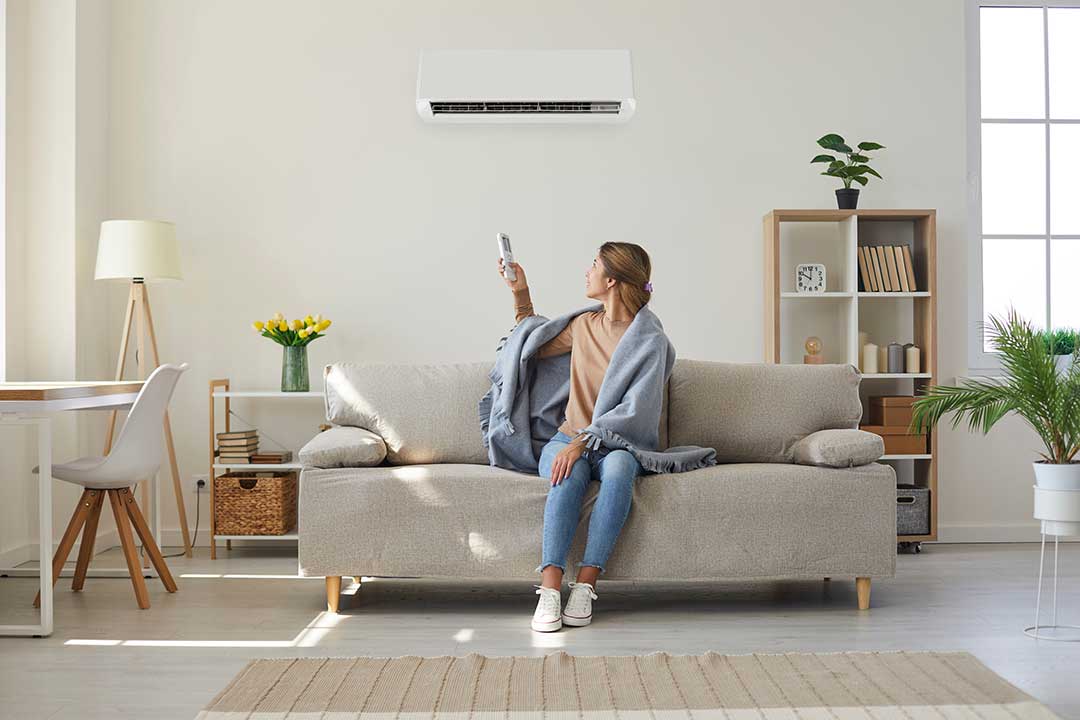
Ductless mini-split systems cool (or heat) individual areas using indoor wall-mounted units connected to an outdoor compressor. These systems do not require ductwork. Instead, thin refrigerant lines link each room’s unit to the outdoor condenser. Mini-splits are often chosen for older homes in Portage without existing ducts, in home additions where extending ducts isn’t practical, or for spaces like finished basements or garages.
Each indoor unit of a mini-split system can be controlled independently, allowing for tailored temperatures in separate spaces. This setup is called zoned control, and it enables energy savings if some rooms are used infrequently or require different levels of cooling.
Are Central Air or Mini-Splits More Energy Efficient?
Generally, ductless mini-splits are more energy-efficient than central air systems, especially in homes without existing ductwork. Central air conditioners can lose efficiency as cooled air moves through ducts, especially if those ducts run through attics, crawl spaces, or poorly insulated areas. Leaky ducts, which are not uncommon in older Portage homes, can lead to noticeable energy loss.
Mini-splits avoid duct losses entirely. Because each indoor unit can be turned off when a room isn’t used, they can provide comfort where needed, avoiding wasted energy. However, older or poorly maintained mini-splits won’t be as efficient as newer, properly sized units, and running multiple mini-splits throughout an entire large house may close the efficiency gap compared to central air.
Which Is Easier to Install in Portage Homes?
Installation is usually simpler and less disruptive for ductless mini-splits, especially when retrofitting older houses without existing ducts. Mini-splits only need a small hole through a wall for the refrigerant lines, and installation often takes a day or less per zone.
Central air is easier in homes that already have ductwork in good condition, but fitting new ducts into homes that weren’t built with them can be costly and invasive, sometimes requiring major alterations to walls, ceilings, or attics. In local historic homes, preserving original architecture can make new ductwork especially challenging.
What Are the Cost Differences?
Initial costs vary significantly depending on the home’s layout and whether ductwork is already present. Installing central air in a home with existing ducts is generally less expensive than adding ducts or using multiple mini-split units in a large house. However, for smaller spaces, mini-splits may have a lower total upfront cost, especially if only one or two rooms need cooling.
Ongoing costs also differ:
- Central air is often less expensive per square foot for continuous whole-house use.
- Mini-splits usually have lower operating costs when only some rooms are actively cooled.
Local residents considering either type should also account for potential utility rebates or incentives that might offset some installation costs when upgrading to energy-efficient systems.
How Do Maintenance Needs Compare?
Both systems require routine maintenance, but in different ways. Central air systems need the air filter changed regularly, and ducts should be checked for dust and leaks every few years. The outdoor unit must be kept clear of debris, especially due to windblown leaves, grass, and snow. Mini-splits require their filters to be cleaned, often more often than with central systems, since each indoor unit has its own. The outdoor condenser must also be kept free of obstructions. Annual professional checkups are beneficial for both systems to maintain efficiency and long-term reliability, particularly given the variable seasons and pollen-heavy springs in Portage.
Which Provides Better Comfort and Control?
Central air is generally consistent: it cools all rooms evenly, which is ideal for larger households wanting the same temperature in every area. In contrast, mini-splits offer more control over comfort. Each unit can be set to a different temperature, accommodating varying needs—like keeping a sunroom cooler than a bedroom or saving energy in guest rooms. Humidity management is another consideration. Central air systems in the city’s humid summers often dehumidify better than some mini-splits, although modern ductless systems have improved in this area.
Can Either System Handle the Local Climate?
Both central air and mini-splits are effective during Portage’s summer heat and humidity. However, local winters can also be quite cold, and mini-split systems that offer both heating and cooling can supplement other heating sources when temperatures are milder in spring and fall. Some advanced mini-split heat pumps can handle sub-freezing temperatures but may not replace a full furnace for all homes. Central air systems are cooling-only by definition, but the same ductwork can be shared with a furnace for winter heat, which matches the typical design of many homes across the city.
What About Home Value and Resale?
Prospective buyers in Portage often expect central air conditioning in newer or larger houses, since it’s long been considered a standard feature in many neighborhoods. Ductless mini-splits are increasingly accepted, especially in remodeled homes, older properties without space for ducts, or where zoned control is a selling point.
Installation quality and the appearance of indoor units matter; sleek placement or thoughtful integration can make mini-splits more attractive to buyers who want the balance of efficiency and flexibility.