

 See My Latest Article on HelloNation

Why Is Preparing Your HVAC for Winter Essential in Portage, WI?
Cold-weather readiness prevents mid-season breakdowns and improves heating efficiency. In Portage, WI, winter temperatures frequently fall well below freezing, leading to high heating demands from October through March. Area homes rely on well-maintained HVAC systems not only for comfort but also to prevent hazards like frozen pipes and unsafe indoor air.
Common questions from local residents include how to prevent furnace breakdowns, how to safely manage home humidity during heating season, and whether outdoor AC units need special attention before the first snow. Thorough autumn preparation addresses these concerns.
What Should Be Checked on My Heating System Before Cold Weather Arrives?
A basic pre-winter HVAC check includes more than flipping the thermostat from “cool” to “heat.” The main goal is to ensure safe, efficient, and reliable operation throughout the season. Here’s what to address:
- Inspect your furnace or heat pump: Before you turn it on, look for any visible issues such as loose wiring, rust, water around the base, or strange odors.
- Change the air filter: A clogged filter restricts airflow and strains the system. Most area homes benefit from monthly checks due to dust and pet dander inside during winter.
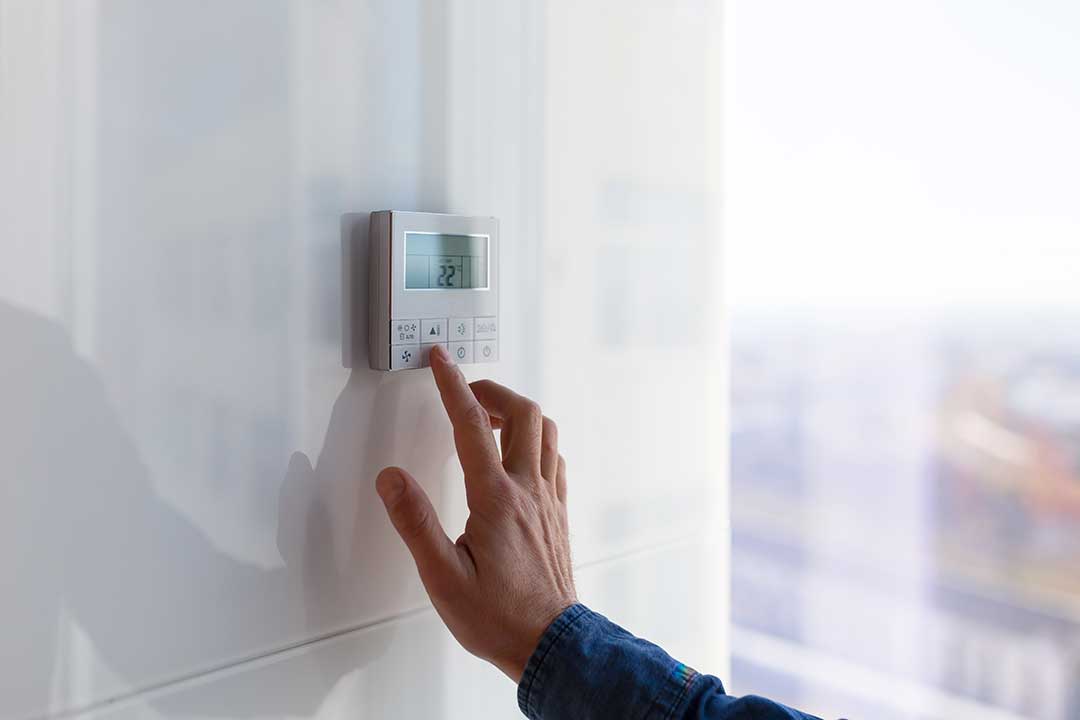
- Test the thermostat: Make sure the system responds promptly when set to heat. Replace batteries in programmable models.
- Listen for unusual noises: Loud bangs, repeated clicking, or screeching shortly after startup often signals mechanical or ignition issues.
- Check and clear heating vents and returns: Ensure furniture or area rugs aren’t blocking airflow. Even partial blockage reduces system efficiency.
If strong burning smells, repeated cycling, or no heat occurs during this self-check, further troubleshooting—or in some cases, professional inspection—may be required for safety.
Should I Cover or Protect My Outdoor AC Unit in Winter?
Outdoor air conditioning units are built to withstand Portage’s winter weather, but basic protection can prolong their lifespan. Covering these units is not strictly necessary, but can help keep leaves, debris, and snow out of the coils.
- If covering, use a purpose-made breathable cover—never plastic sheeting or a tarp, which can trap moisture and encourage rust or rodent nesting.
- Ensure the unit is clear of leaves, twigs, and grass clippings before winter arrives.
- Avoid piling snow or storing anything on top of the unit, as extra weight and moisture can cause damage.
Disconnecting the unit’s power at the outside shut-off box prevents accidental startups in cold weather.
How Can Humidity and Air Quality Be Managed During Heating Season?
Dry winter air is a common household comfort issue in Portage, as forced-air heating strips away indoor moisture. Managing this requires a balance: Too little humidity leads to static electricity, dry skin, and cracked woodwork, while too much can cause window condensation and promote mold.
- Use a hygrometer to monitor indoor humidity, aiming for levels between 30-40%.
- Portable or whole-home humidifiers can add needed moisture, especially if family members notice dryness or health symptoms.
- Make sure that bathroom and kitchen exhaust fans are used as needed to vent excess moisture from cooking or showers.
- Regularly dust and vacuum to improve air quality, as sealed-up houses in winter trap particulates.
Those with allergies may consider HEPA filtration or plants that thrive indoors in low winter light.
What Are Common Mistakes Area Households Should Avoid?
Prepping HVAC for winter is straightforward, but a few misconceptions can create trouble:
- Forgetting attic and basement vents: Closing off too many vents or returns, especially in unused spaces, reduces system efficiency and can damage ductwork.
- Relying on old air filters: Some filters need replacing more often in winter because closed windows lead to more dust and indoor pollutants.
- Ignoring minor furnace noises: Early warning signs often appear before major breakdowns.
- Not checking carbon monoxide detectors: Fuel-burning heat sources need a functioning CO detector—test these each fall, as power outages or battery drain often go unnoticed during warmer months.
What Prevents Frozen Pipes and Uneven Heating in Local Homes?
Consistent, moderate heat is the best defense against frozen pipes—a real winter risk in Portage. Pipes in unheated basements, crawl spaces, or exterior walls are particularly vulnerable.
- Never set the thermostat below 55°F, even during holiday travel.
- Open cabinet doors under sinks against exterior walls to let warm air circulate.
- Seal obvious drafts and weatherstrip doors to reduce cold air infiltration that can strain the heating system.
For uneven heating, first check for blocked vents or cold air drafts around doors and windows. Older homes may need zoning adjustments or minor insulation upgrades, particularly if bedrooms furthest from the furnace run notably colder.
What Local Climate Factors Should Be Considered in Fall Prep?
Portage’s long, cold season, frequent snow, and occasional ice storms affect HVAC operation and maintenance needs. Local residents should consider:
- Clearing snow and ice from exterior vents after major storms to prevent backdrafting or shutoff.
- Ensuring outdoor meter and regulator areas remain accessible and are not buried by snow piles.
- Looking out for “short cycling” (system turning on and off rapidly) in extreme cold, which can point to filter clogs, thermostat malfunction, or inadequate furnace sizing for older homes.
Monitoring these factors helps area residents stay comfortable and safe until spring thaw arrives.