

 See My Latest Article on HelloNation
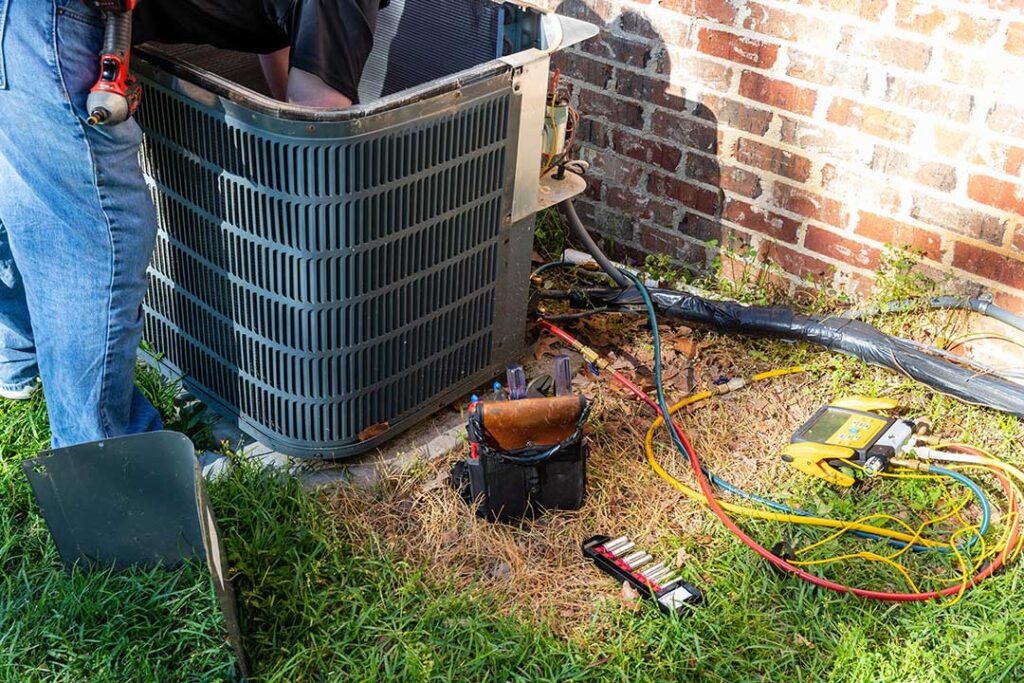
What Happens When an Air Filter Gets Dirty?
A dirty air filter restricts airflow through your HVAC system, forcing it to work harder to push air throughout the home. Over time, this can affect both performance and comfort—especially in Portage, WI, where full heating and cooling cycles are needed during freezing winters and humid summers.
When a filter fills up with dust, pollen, pet hair, and other debris common in local households, less air can pass through. This has a ripple effect on how well the system heats or cools the house, on the longevity of its components, and even on utility bills.
Can a Clogged Filter Raise Energy Bills?
Yes—a clogged air filter can result in higher energy costs. HVAC systems draw extra power to compensate for the blocked airflow. In Portage, where winter temperatures often drop well below freezing and summer can bring stretches of muggy weather, this inefficiency is particularly costly.
Homeowners may notice:
- The furnace or AC running for longer cycles
- Rooms taking more time to reach a set temperature
- Unexpected increases in monthly utility statements
Even a filter with moderate buildup can reduce system efficiency substantially, so checking it regularly is a practical habit in any household.
Does a Dirty Filter Affect System Lifespan?
Restricted airflow causes the system’s internal components to run hotter than designed, especially the blower motor and heat exchanger. Over months or seasons, this extra strain can shorten equipment life and increase the likelihood of breakdowns.
In older homes found in many Portage neighborhoods, where HVAC systems may already be several years old, the risk is even greater. Decreased system life translates into higher long-term expenses and potential discomfort during critical heating or cooling times.
Are There Indoor Air Quality Risks?
A dirty air filter can allow dust, allergens, and particulate matter to circulate throughout the home. This is especially relevant in the Portage area, where spring pollen and harvest dust are known seasonal challenges.
Instead of trapping debris, a clogged filter may:
- Allow small particles to bypass the filter altogether
- Harbor mold, especially if humidity levels are high or if condensation builds up near the filter
- Redistribute dust that might otherwise be removed from indoor air
People with respiratory sensitivities, including allergies or asthma, may notice more symptoms when filters are neglected.
How Do Dirty Filters Impact Humidity and Comfort in the House?
Proper airflow is necessary not only for temperature regulation but also for controlling indoor humidity. A dirty filter limits the HVAC system’s ability to remove moisture during the summer or to fully circulate warm, dry air in winter.
Residents may observe signs such as:
- Some rooms feeling stuffier, cooler, or warmer than others
- Windows fogging up more than usual in winter
- A damp or musty smell developing, especially if mold is growing on or near the filter
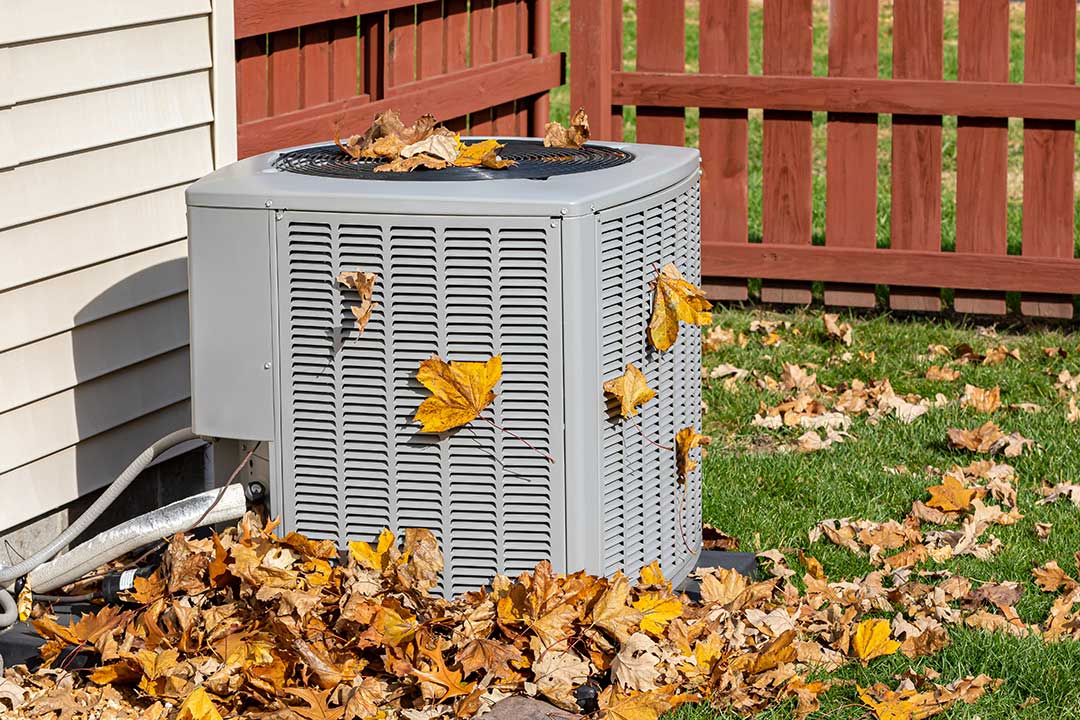
What Are Some Misunderstandings About Filter Maintenance?
Locally, it’s common to assume HVAC filters only need changing at the start or end of a heating or cooling season. In reality, frequency should be based on several factors:
- Pets in the home (especially dogs or cats that shed)
- Occupants with respiratory concerns
- Length of recent heating or cooling cycles (longer runtimes dirty filters faster)
- Proximity to farmland or construction zones, which can introduce more airborne dust
In many Portage households, filters may require inspection or replacement every one to three months, not just seasonally.
Can Ignoring the Filter Create Safety Issues?
In some cases, a severely clogged filter can do more than strain the blower motor—it can contribute to system overheating or even a heat exchanger crack in gas furnaces. While this isn’t common, it can be especially problematic during the coldest weather, when continuous heating is essential for health and for avoiding frozen pipes. Though most household HVAC filters are easy and safe for adults to inspect and replace, a filter that is damp, moldy, or difficult to access due to system layout warrants caution due to potential exposure to allergens or sharp edges.
What Does Regular Filter Maintenance Look Like for Local Residents?
In Portage, best practices for filter maintenance are straightforward:
- Check the air filter monthly during peak heating and cooling seasons
- Replace or clean the filter if it appears visibly dirty—don’t wait for notable comfort problems
- Choose the right filter size and type as recommended by system documentation, especially for older units found in local homes
Regular care reduces avoidable repair costs and keeps indoor environments more comfortable throughout the year—even during those temperature swings for which the region is known.