

 See My Latest Article on HelloNation
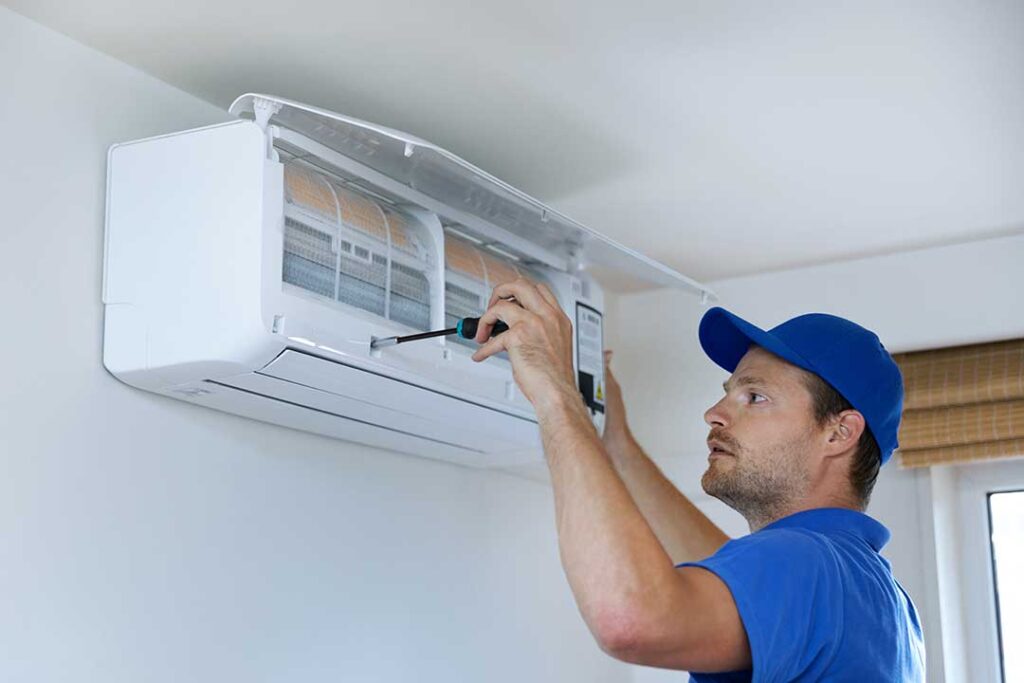
How Long Should HVAC Systems Last in Portage, WI?
Most central heating and cooling systems in Portage, WI are designed to run reliably for 15–20 years, depending on equipment type, build quality, and care. However, local factors—like long winters, humid summers, and seasonal pollen—can influence a system’s lifespan. Area residents often ask how they can help their furnace, air conditioner, or heat pump last longer and avoid costly breakdowns.
Regular maintenance, simple habit changes, and attention to local climate conditions are key to getting the most years out of your setup.
What Simple Tasks Can Residents Do Regularly?
Staying consistent with a few basic upkeep tasks matters more than most people realize. These steps control dust, avoid strain on equipment, and promote better airflow.
- Check air filters monthly: Clogged filters make your system work harder and reduce air quality. In Portage, filters may need changing as often as every 1–2 months, especially during peak pollen in spring or heavy furnace use in winter.
- Keep vents and registers clear: Furniture, rugs, or dust can block airflow. Make a habit of walking through your home seasonally to check for obstructions.
- Sweep debris away from outdoor units: Grass clippings, fallen branches, and leaves can collect quickly, restricting airflow or even causing mechanical problems. Clear a two-foot area around your air conditioner or heat pump outside.
How Does Portage’s Climate Affect HVAC Longevity?
Systems here need to handle both extended heating and cooling seasons, which adds up to above-average yearly use.
- Long heating seasons create wear: Furnaces often run for six or more months a year. A dirty burner or cracked heat exchanger from overuse can shorten furnace life considerably.
- Humid summers demand more of ACs: Area air conditioners run harder in late summer and may freeze up or develop mold if routine drain line cleaning is overlooked.
- Extreme temperature swings: Sudden cold snaps or heat waves put extra stress on older equipment, especially if preventive care has been skipped.
Local residents can counter these challenges by adjusting programmable thermostat schedules for shoulder seasons and watching for ice or excess water buildup after storms or rapid thaws.
What Maintenance Should Never Be Skipped?
Some upkeep is best thought of as insurance—a small investment now that prevents expensive repairs later.
- Annual professional inspections: DIY tasks go far, but gas safety checks, refrigerant monitoring, and internal deep cleaning often require specialized tools and training. Furnaces, in particular, should be inspected every year due to carbon monoxide risks.
- Lubricating moving parts: Dry bearings and motors wear out quickly if left unchecked, increasing the risk of noisy, inefficient operation or early component failure.
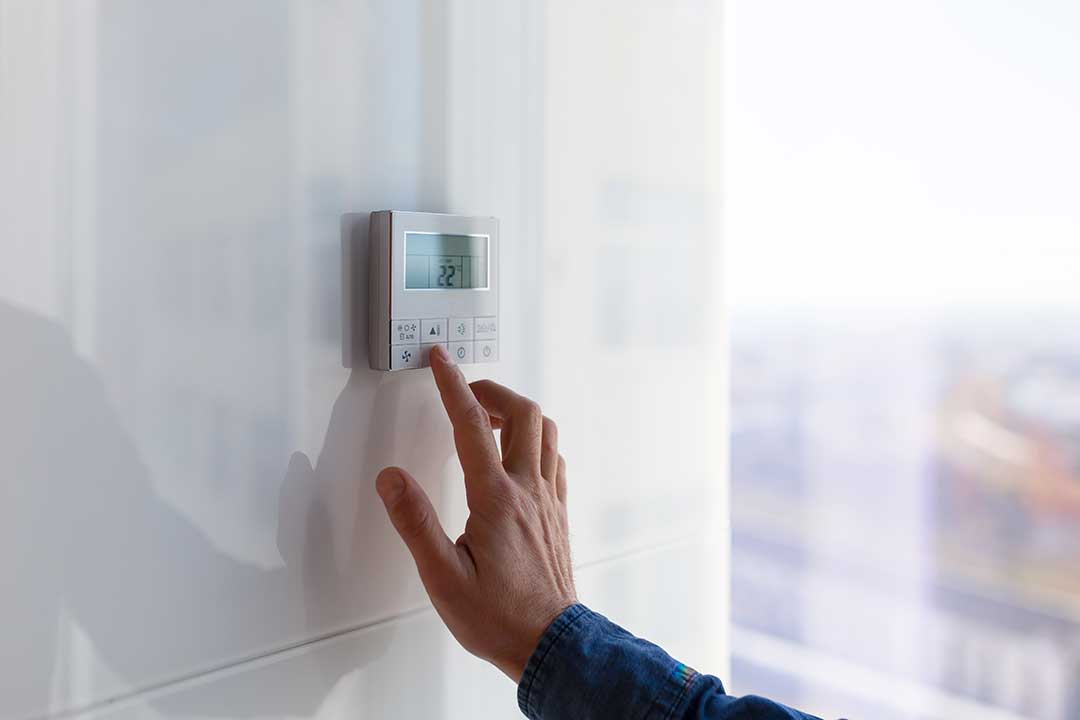
- Testing the thermostat: Calibration can drift over time, causing short cycling (turning on and off too often), which wears down equipment.
Even those comfortable with basic tasks should consult the owner’s manual before accessing internal components or attempting electrical work.
Can Home Habits or Upgrades Extend Equipment Life?
Energy-saving improvements and small shifts in home habits can prevent overworking the system day in and out.
- Seal gaps and add insulation: Many homes in Portage were built before high-efficiency standards. Attic and wall air leaks force HVAC systems to run for longer cycles. Weatherstripping and proper insulation keep conditioned air inside, reducing wear.
- Use ceiling fans to circulate air: Fans distribute warm air in winter and cool air in summer, helping residents feel comfortable with less effort from the system.
- Set reasonable thermostat temperatures: Setting the thermostat lower in winter or higher in summer (even by a degree or two) cuts down on run time.
Misconception: Some believe leaving the system running at full blast maintains “better airflow” or prevents breakdowns. In reality, unnecessary operation accelerates aging and increases energy costs.
Are There Signs That Equipment Is Wearing Out?
Keeping an eye (and ear) out for early warning signs gives homeowners the chance to intervene before a minor problem turns major.
- Unusual noises: Rattling, banging, or squealing may signal loose parts, worn belts, or failing motors.
- More frequent cycling: A furnace or air conditioner turning on and off rapidly without maintaining temperature is showing signs of stress or miscalibration.
- Uneven heating or cooling across rooms: This could mean duct leaks, clogged vents, or more serious component issues developing.
Addressing small problems before they escalate—like tightening screws or replacing worn filters—can add several years to a system’s lifetime.
What Do Area Residents Commonly Overlook?
Even diligent homeowners sometimes miss steps that can have a big impact over time in this region.
- Humidity control: In Portage’s humid summers and dry winters, unbalanced indoor humidity strains both heating and cooling equipment. Using a humidifier in winter or dehumidifier in summer can help.
- Making gradual temperature changes: Abrupt thermostat adjustments force the system into longer or more powerful cycles. Changing settings slowly, especially overnight, reduces stress.
- Checking insulation near HVAC equipment: Basement or crawlspace areas tend to be overlooked but can leak cold or warm air near equipment, causing it to run longer and harder.
How Can Local Conditions Guide Your Maintenance Routine?
Knowing what’s unique about local housing and weather helps residents prioritize care.
- Rural and suburban homes may have outdoor condensers exposed to farm dust or wildlife: Protective screens and routine checks reduce risks of clogging or damage.
- Older homes in historic districts often have mixed-age ductwork: These ducts may be more prone to leaks or corrosion, and benefit from inspections.
- Extended use during shoulder seasons: Mild springs and falls can tempt residents to put off filter changes or exterior cleanups, but it’s smart to continue those key tasks year-round.
Planning a brief seasonal review of your HVAC system—inside and out—helps keep it running smoothly through all of Portage’s weather extremes.