

 See My Latest Article on HelloNation
Why Isn’t Cool Air Coming From the AC Vents?
If your air conditioner is blowing air but your home isn’t getting cooler, the underlying reason is usually one of several common issues. In Portage, WI, where residents face both humid summers and seasonal pollen, air conditioning units may encounter unique challenges. Usually, this means there’s either insufficient airflow, improper refrigerant levels, or problems with how the system is running overall.
The most frequent culprits include:
- Dirty or clogged air filters blocking circulation
- Low refrigerant caused by leaks or improper maintenance
- Frozen coils resulting from continuous use or temperature swings
- Malfunctioning thermostats or incorrect temperature settings
Could a Dirty Air Filter Be Causing the Problem?
Yes—a dirty air filter is often the simplest reason an AC isn’t cooling effectively. Air moving through a clogged filter slows down, making it harder for cool air to circulate throughout the house. In Portage, dust, pollen, and pet hair can clog filters faster, especially during spring and early summer when windows may be opened occasionally and outdoor allergens are high.
Changing or cleaning the filter every 1–3 months can prevent this, but in older homes with more dust or lots of pets, it might need more frequent attention. Residents sometimes assume filters last all season, but local conditions can easily overload them much sooner.
Does Weather in Portage Affect Cooling Performance?
Absolutely—the unique mix of humidity and temperature swings in the area impacts AC performance. High humidity means your air conditioner must remove moisture as well as heat. If the system is undersized or aging, it might struggle to keep up on muggy days.
When daytime highs spike but evenings are still cool, many households alternate between using the AC and opening windows, which introduces extra moisture and allergens. This cycle can make it feel like the air conditioner isn’t working, even though it simply can’t keep up with rapid indoor climate changes. Keeping windows closed during high-humidity periods can help stabilize temperatures inside.
Is Low Refrigerant a Common Issue?
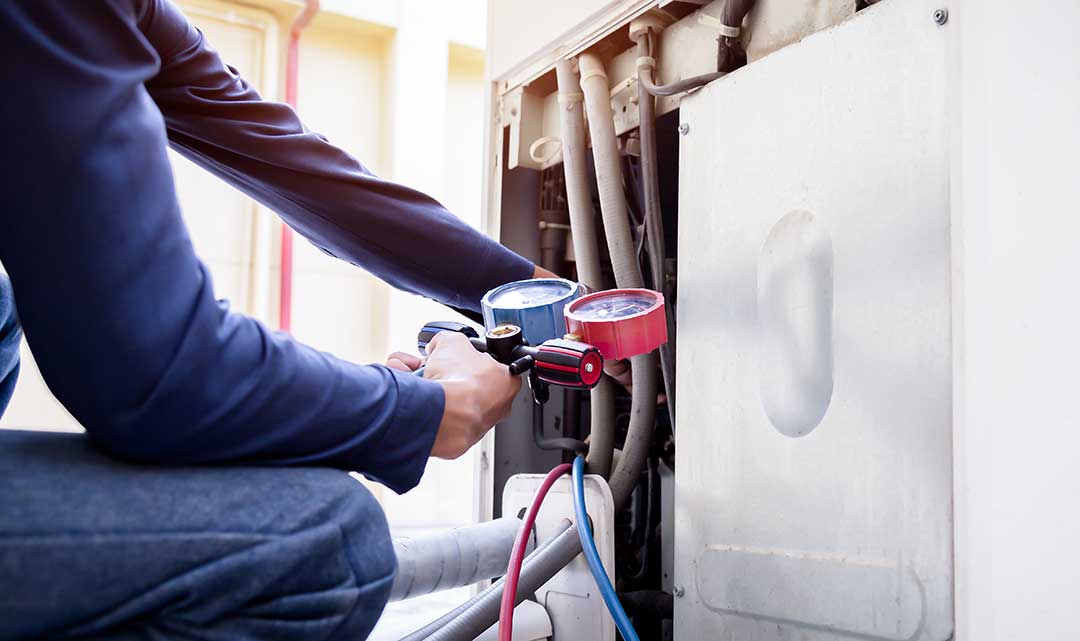
It can be, especially in older systems. Refrigerant is critical because it absorbs heat from inside the home. If there’s a leak or the system has never been properly charged, cooling efficiency drops sharply. Local climate won’t cause refrigerant to disappear—if levels are low, there’s almost always a leak or an installation oversight.
Homeowners in Portage sometimes overlook subtle signs like light hissing noises at the indoor unit, or visible ice along refrigerant lines. These indicators suggest a professional inspection is needed, as adding more refrigerant without fixing leaks simply masks the underlying issue.
What If the AC Unit Seems to Run but Doesn’t Cool?
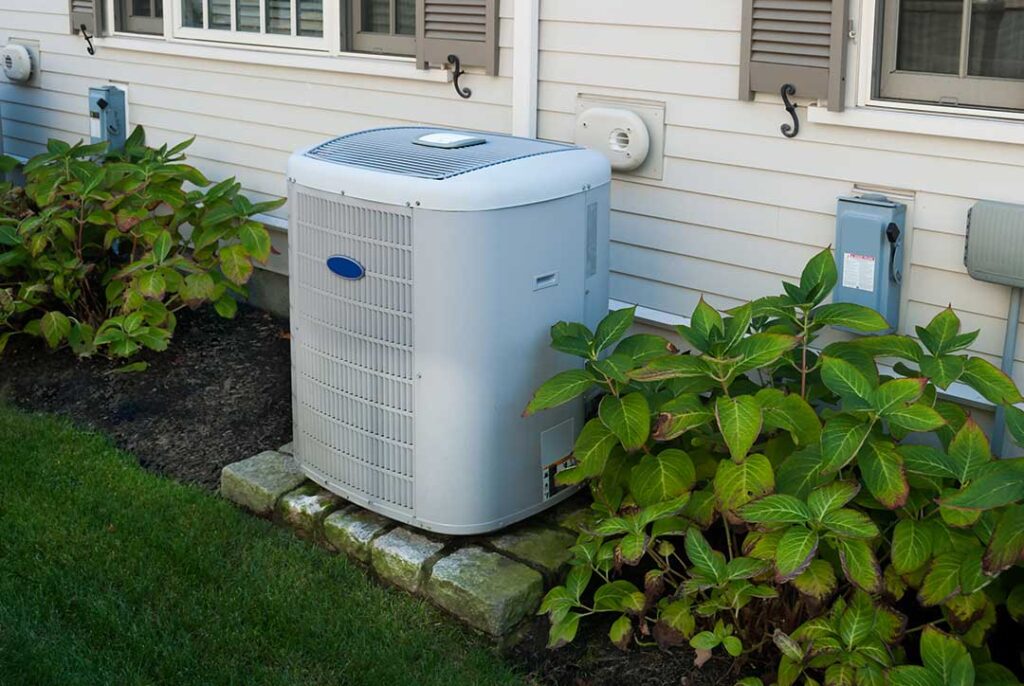
Sometimes the fan and compressor are working, but the house stays warm. Two frequent sources of this problem are dirty condenser coils or obstructed outdoor units. In the city, it’s not uncommon for grass, weeds, cottonwood fluff, or yard debris to build up around the outdoor condenser.
When this happens:
- Heat can’t escape efficiently, so the system works harder but cools less
- Cleaning away debris and carefully rinsing the coils can restore function, but use gentle pressure to avoid damage
Remember that direct sunlight and reflected heat from concrete patios can also make outdoor units run hotter in the middle of summer.
Could Duct Issues Be Involved?
Duct leaks and poor insulation are sometimes underestimated, especially in older homes in the area. If cool air is escaping into attics, crawlspaces, or walls before reaching living areas, even a well-running AC won’t be able to keep rooms comfortable.
Tell-tale signs might include:
- One room is much warmer or cooler than others
- Weak airflow even when the system is on high
- Sudden increases in energy bills without extra usage
Small leaks or disconnected ductwork may not be easy to spot without access to attic spaces, so this issue can go unnoticed for months.
What Role Does the Thermostat Play?
Thermostat problems are another hidden cause. If the sensor isn’t reading the room temperature correctly or is located in a spot with poor air circulation—like near a window or in a draft—it can mislead the air conditioner. Basic steps such as checking the programmed settings, replacing batteries, or recalibrating can often solve these problems, but older mechanical thermostats may eventually need to be replaced.
What About Electrical or Mechanical Failures?
If your air conditioner suddenly stops powering on or you notice frequent circuit breaker trips, an electrical or mechanical failure could be the reason. Portage homes built before the 1990s sometimes have older wiring or power supplies that may not fully support newer HVAC systems, especially if recent upgrades have increased demand. If you notice burning odors, buzzing, or sudden loss of cooling during a heatwave, it’s safest to turn off the unit until the electrical issue is addressed.
Are There Common Misconceptions Among Local Residents?
Yes—one common misconception is that setting the thermostat extremely low will cool the house faster. In reality, air conditioners cool at a steady rate regardless of the temperature setting. Another mistaken belief is that AC systems don’t need any attention if they’re still running. Even small drops in efficiency, like those caused by Portage dust and pollen, can add up over a season. Residents sometimes overlook how much insulation, attic ventilation, and window shading affect indoor temperatures. Houses with updated insulation and properly shaded windows generally experience more consistent cooling performance without overworking their AC units.
When Does Safety Require Special Attention?
There are a few situations where it’s advisable to seek professional help for safety reasons:
- If you see ice forming anywhere on the indoor or outdoor units
- If you find leaking refrigerant, which can be harmful if handled improperly
- If electrical components are hot to the touch, smell burnt, or cause breakers to trip repeatedly
Otherwise, most routine filter cleaning and visual inspections can be handled by area homeowners. Staying mindful of local climate and maintenance habits will help most air conditioners keep up with Portage’s summer demands.