

 See My Latest Article on HelloNation
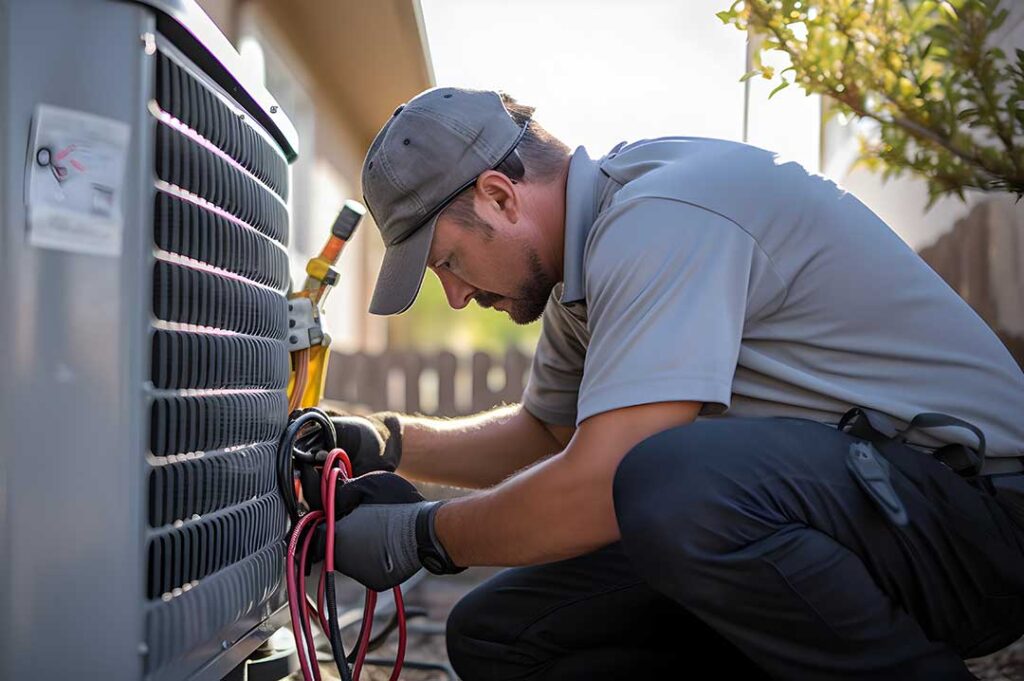
Why Does Spring HVAC Maintenance Matter in Portage, WI?
Spring HVAC maintenance ensures reliable comfort as local households transition from heating to cooling. Because Portage experiences both distinct winter chills and warm, humid summers, a well-tuned system saves energy, reduces breakdown risks, and prolongs equipment lifespan.
Seasonal temperature swings, pollen, and lingering winter debris can all impact HVAC performance. Many homeowners overlook spring upkeep, but procrastination usually leads to higher bills or surprise repairs during peak summer demand. Even simple tasks can have a noticeable impact on indoor comfort and air quality.
What Maintenance Steps Can Residents Handle Themselves?
Area households can manage several key HVAC tasks safely and effectively without specialized tools or experience:
- Change the air filter.
Spring is typically the time when filters are clogged with winter dust and furnace use. Replace disposable filters, or clean reusable ones, to support airflow and reduce system strain. Many homes in Portage need a filter change every 1–3 months, especially if pets are present or allergies are a concern.
- Clear vents, registers, and returns.
Dust, pet hair, and debris tend to accumulate over winter. Use a vacuum with a brush attachment as the heating season ends, and make sure furniture or curtains are not blocking air pathways.
- Clean around outdoor units.
For central AC systems, remove leaves, trash, and other debris within two feet of the condenser. Trim back grass and shrubs so nothing obstructs airflow or nests near the unit. This step is particularly important in neighborhoods where yards back up to wooded areas or open fields.
- Test the thermostat.
As heating gives way to cooling, switch the thermostat to “cool” mode. Lower the temperature to ensure the system turns on and produces cold air. If the thermostat is battery-powered, replace batteries each spring for consistent operation.
Many people in the community also dust ceiling fan blades and adjust the fan direction to “counterclockwise” for summer comfort.
Are There Common Spring Issues Specific to Portage?
Yes, Portage’s climate and housing stock present unique HVAC considerations:
- Spring pollen and agricultural dust may clog air filters or infiltration points, especially for homes near farms or the Wisconsin River floodplain.
- High groundwater and freeze-thaw cycles sometimes cause basement dampness, which increases system workload and may lead to mold concerns in ducts.
- Air conditioning is often underused or not checked until the first hot day, only for residents to discover dormant problems—like a tripped circuit or seized condenser fan—after months of inactivity.
Regular inspection and cleaning minimize these surprises and support healthier indoor air during the months when windows are closed against high pollen or humidity.
How Can Residents Safely Check System Performance?
Homeowners in the city can run a few simple functional checks early each spring:
- Listen for unusual noises (rattling, banging, or humming) when the HVAC runs.
- Check for weak airflow from registers, which often means a clogged filter or fan obstruction.
- Examine outdoor AC coils for ice, heavy dirt, or bent fins. Coils should remain clear and straight.
- Verify that condensate drain lines (usually a small PVC pipe by the furnace or air handler) are not clogged or leaking, which can cause water damage or mold growth.
No tools are needed for these visual and audible checks, and spotting an issue early can prevent larger problems as temperatures rise.
What About Duct Cleaning or Air Quality Upgrades?
Residents sometimes wonder if professional duct cleaning is needed every spring. In most cases, annual DIY cleaning of accessible vents and regular filter changes are sufficient unless the home has:

- Visible mold inside ducts
- Heavy dust after construction or renovation
- Unusual odors or persistent allergy symptoms
Other spring upgrades some Portage area households consider include installing a higher MERV-rated filter (balanced against system airflow), UV lights for microbial control, or a dehumidifier in damp basements. These adjustments are beneficial for people with allergies or older homes susceptible to mustiness but are not required for everyone.
Are There Tasks That Require Caution or Special Expertise?
While most spring maintenance is safe for residents to handle, certain situations warrant extra care:
- Any electrical troubleshooting beyond battery changes should be left to qualified technicians for safety.
- Refrigerant leaks from air conditioning lines—detectable by oily residue or loss of cooling—must only be addressed by licensed professionals.
- Signs of rusted or cracked heat exchangers in furnaces, especially in older homes, demand immediate expert attention due to carbon monoxide risk.
If unsure, reviewing equipment manuals and using basic safety precautions (like turning off the breaker before investigating unusual noises from major units) helps avoid hazards.
What Spring HVAC Mistakes Do Homeowners in Portage Often Make?
Common oversights include:
- Forgetting to switch the thermostat from “heat” to “cool,” leading to confusion when the AC doesn’t run on the first hot day
- Overlooking outdoor units hidden by new vegetation growth since last fall
- Skipping filter changes between seasons, causing airflow issues and higher utility costs
- Ignoring minor symptoms (e.g., intermittent noise or musty smells) until the hottest part of summer, when repair wait times are longest
Reviewing a few basic systems in April or May helps area households avoid costly peak-season emergencies.
Is Preventive Maintenance Worth the Effort in This Community?
Regular spring upkeep is a time-saving habit for many residents. Clean filters and open vents mean lower energy bills year-round, and clearing away debris or testing system modes helps avoid uncomfortable lapses in service during Portage’s brief but sometimes severe summer heatwaves. Even homes with newer equipment see benefits, as most system warranties require evidence of ongoing care.