

 See My Latest Article on HelloNation
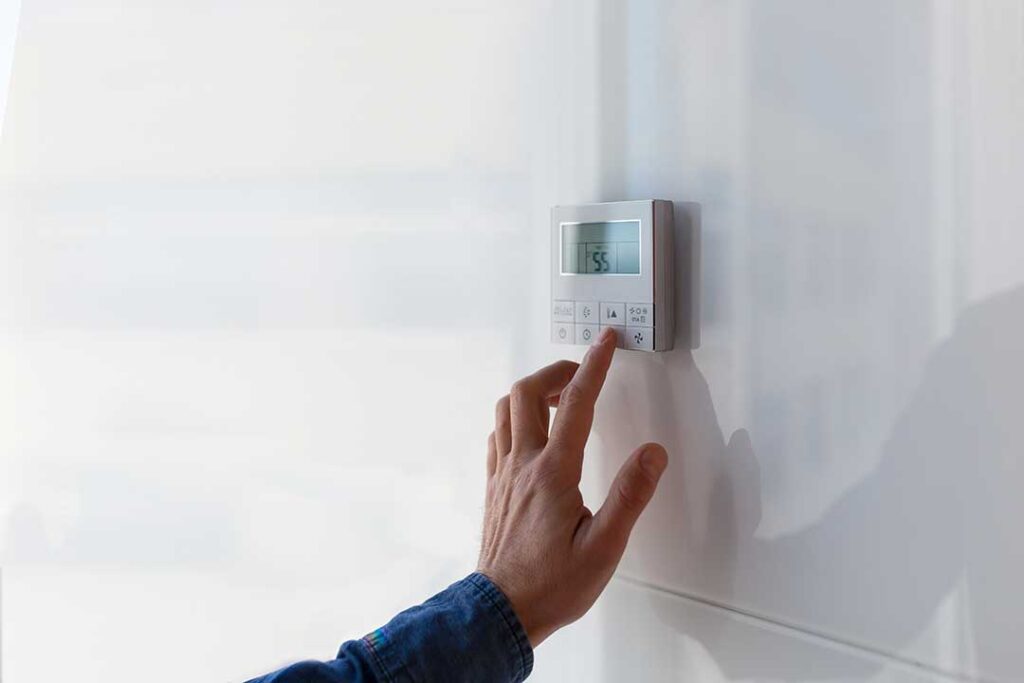
Programmable thermostats can make indoor temperatures more consistent while reducing unnecessary heating and cooling. For households in Portage, WI, they are especially useful because homes often need reliable temperature control through cold winters, warm summers, and changing conditions between seasons.
What does a programmable thermostat do?
A programmable thermostat changes the indoor temperature according to a schedule selected by the household. Instead of maintaining the same setting all day and night, it can automatically adjust the temperature when people are asleep, away, or returning home.
For example, a heating schedule might:
- Lower the temperature overnight
- Keep the setting reduced during weekday work or school hours
- Raise the temperature before residents wake up
- Return to a comfortable setting before people arrive home
During cooling season, the same concept works in reverse. The thermostat can allow the home to become slightly warmer while it is empty and cool it before residents return.
This differs from a basic manual thermostat, which requires someone to remember each adjustment. The main benefit is automation: the temperature changes happen on a planned schedule without repeated daily reminders.
Can a programmable thermostat lower energy use?
It can reduce energy use when the schedule is set sensibly and the household follows it consistently. Heating and cooling equipment generally runs less when the indoor temperature is allowed to move closer to the outdoor temperature for part of the day.
In winter, lowering the thermostat while people are asleep or away can reduce the amount of heat the home loses. In summer, raising the setting during unoccupied hours can reduce the amount of work required from an air conditioner.
The actual savings depend on several factors:
- The home’s insulation and air leakage
- Outdoor temperatures and wind
- The efficiency and condition of the heating or cooling equipment
- The size and layout of the home
- The selected temperature settings
- How long the home remains unoccupied
- Whether the thermostat is located in a representative area
A programmable thermostat cannot compensate for major drafts, blocked air registers, inadequate insulation, or equipment problems. It is a control tool, not a replacement for sound building maintenance.
What temperature schedule works well in this climate?
A practical schedule depends on household routines, comfort preferences, and the type of heating system. In a typical winter routine, many households choose a modest overnight reduction and another reduction during extended daytime absences. In summer, they may allow a moderate increase while the home is empty.
Large, sudden temperature changes are not always necessary. A smaller adjustment that lasts for many hours may provide useful energy savings without creating an uncomfortable recovery period.
A sample winter schedule might look like this:
- Morning: comfortable setting before residents wake
- Daytime: lower setting while the home is empty
- Evening: comfortable setting during active hours
- Overnight: slightly lower setting for sleeping
A summer schedule may use:
- Morning: moderate cooling during occupied hours
- Daytime: warmer setting when the home is empty
- Evening: cooler setting as residents return
- Overnight: a setting that balances comfort and reduced equipment runtime
Homes with heat pumps, radiant floor systems, or other slower-response equipment may require more gradual adjustments. A large setback can cause extended recovery or reduce comfort. The best schedule is the one that matches how quickly the system can change the indoor temperature.
Are programmable thermostats useful for older homes?
Yes, although the results may be more noticeable when the schedule is paired with basic weatherization. Many older homes have a mix of insulation levels, air leaks, older windows, or rooms that heat and cool unevenly.
A programmable thermostat can still reduce unnecessary operation, but the thermostat may not solve comfort differences from one room to another. For example, a thermostat near a drafty entryway may respond differently than rooms located farther inside the home.
Before changing the schedule, check for simple issues such as:
- Furniture blocking supply or return air openings
- Curtains covering radiators or registers
- Noticeable drafts around doors and windows
- A thermostat exposed to direct sunlight or a nearby heat source
- Large temperature differences between floors
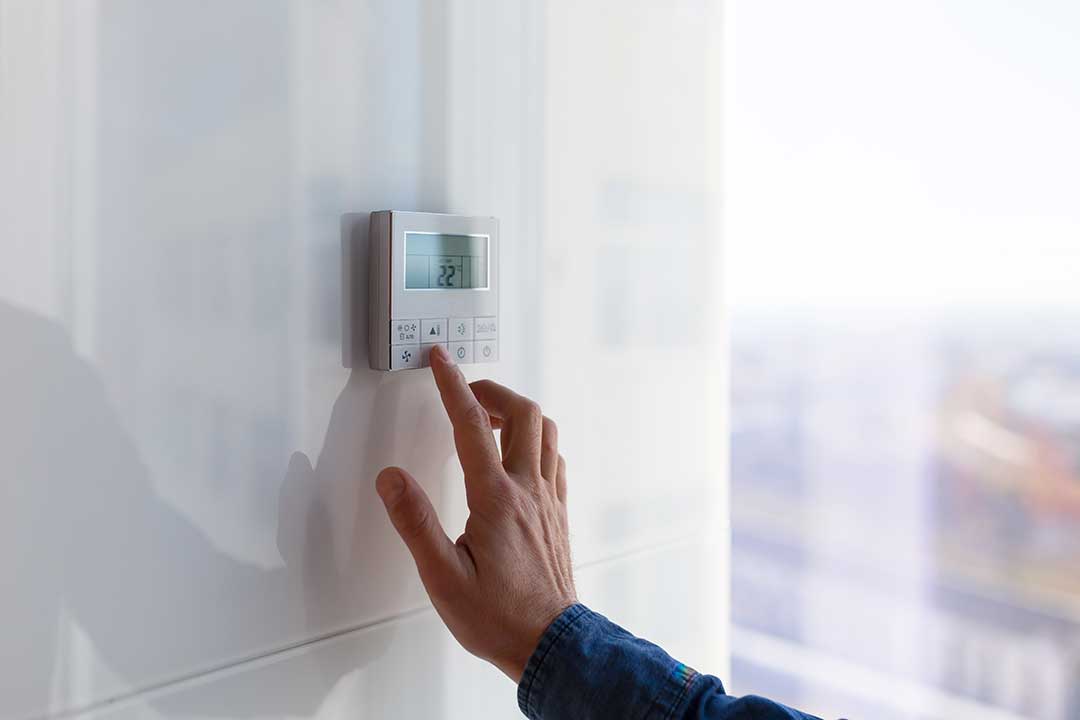
These conditions can make the system appear less responsive and may cause the thermostat to call for heating or cooling longer than expected.
What are common mistakes with programmable thermostats?
The most common mistake is creating a schedule that is too complicated to use. If the settings do not reflect actual household routines, residents may frequently override the thermostat or stop using the schedule entirely.
Other common problems include:
- Setting extreme temperatures to force faster heating or cooling
- Using a setback that is too large for the equipment
- Programming every day identically when weekends differ
- Forgetting holidays, vacation periods, or changing work schedules
- Placing the thermostat near sunlight, cooking heat, lamps, or drafts
- Assuming a lower winter setting always saves money regardless of comfort or equipment type
A thermostat does not heat or cool a room instantly. Setting the temperature far above or below the desired level does not make the equipment operate faster. It may simply cause a longer operating cycle.
Is a programmable thermostat better than a manual thermostat?
It is usually more convenient for households with predictable daily routines. The main advantage is consistent temperature management without relying on memory.
A manual thermostat may be perfectly adequate for someone who is home most of the day, has an irregular schedule, or prefers to adjust the temperature by hand. A programmable model is most useful when the home is empty for several hours or when residents regularly sleep at different temperatures than they prefer during the day.
The value comes from proper use, not from the thermostat display or number of programming options. A simple schedule that is followed is generally more useful than a complex schedule that is constantly overridden.
How should residents prepare for seasonal changes?
Review the schedule when the household routine changes. A setting designed for summer cooling may not make sense during fall or winter heating. Likewise, a winter schedule may leave the air conditioner running unnecessarily once warmer weather returns.
Before the heating season, verify that:
- The thermostat has working batteries if it uses them
- The programmed times match current routines
- The heating mode is selected correctly
- Air filters are clean and properly installed
- Supply and return openings are unobstructed
Before cooling season, check that the schedule does not create excessive cooling during unoccupied hours and that the thermostat responds when the system is turned on.
In the community, seasonal weather can shift quickly, so a flexible schedule is often more practical than a rigid one. Residents may need different settings during a mild spring week than during a cold snap or a hot, humid stretch in summer.
When is a programmable thermostat not enough?
A thermostat may not be the main cause of a comfort or energy problem when the home has persistent temperature differences, unusually long heating or cooling cycles, frequent system shutdowns, or signs of electrical trouble.
Safety concerns deserve prompt attention. Unusual odors, repeated breaker trips, sparks, damaged wiring, carbon monoxide alarms, or a heating system that produces soot should not be treated as thermostat problems.
For routine use, however, the most effective approach is straightforward: choose moderate temperature changes, match the schedule to actual occupancy, keep the thermostat away from misleading heat sources, and adjust the program as household habits change.