

 See My Latest Article on HelloNation
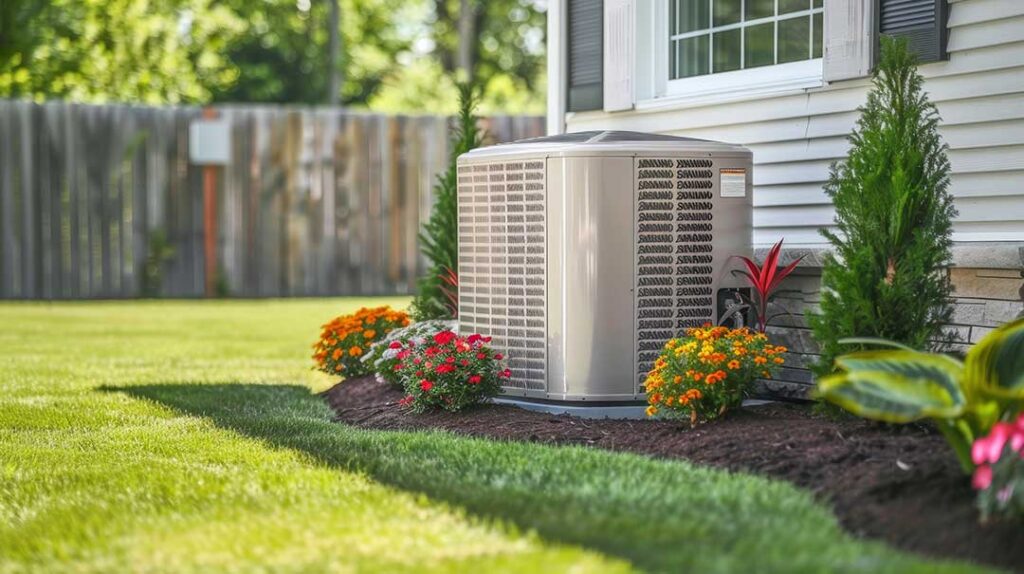
Refrigerants make air conditioners, heat pumps, and many other HVAC systems capable of moving heat. They are essential to comfort, but some refrigerants can harm the ozone layer or contribute significantly to climate change if they escape into the atmosphere.
For households in Portage, understanding refrigerants can help explain why older equipment may be treated differently from newer systems, why leaks matter, and why proper recovery is required when HVAC equipment is repaired or discarded.
What is an HVAC refrigerant?
A refrigerant is a chemical fluid that absorbs heat from one area and releases it somewhere else. In an air conditioner, it removes heat from indoor air and transfers that heat outdoors. In a heat pump, the direction of heat movement can be reversed so the system can provide heating as well as cooling.
Refrigerant circulates inside a sealed system. It is not a fuel, and it is not normally “used up” during operation. If a system repeatedly needs refrigerant added, that usually indicates a leak or another repair issue.
Common refrigerant categories include:
- CFCs, which were used in older equipment and strongly damage the ozone layer.
- HCFCs, including R-22, which have lower ozone-depletion effects than CFCs but still harm the ozone layer and contribute to warming.
- HFCs, such as R-410A, which do not significantly deplete the ozone layer but can have high global warming potential.
- Lower-global-warming-potential alternatives, including certain HFO blends, hydrocarbons, and other refrigerants approved for specific equipment and applications.
The name or number printed on an outdoor unit, service label, or manufacturer plate identifies the refrigerant used by that system.
How do refrigerants affect climate change?
Some refrigerants are powerful greenhouse gases. Their global warming potential, or GWP, compares the warming effect of a gas with the effect of carbon dioxide over a defined period.
A small amount of a high-GWP refrigerant can have a substantial climate impact if it leaks. The environmental effect depends on several factors:
- The refrigerant’s chemical properties
- The amount contained in the equipment
- The rate and frequency of leakage
- Whether the refrigerant is recovered at the end of the system’s life
- The energy used to operate the HVAC equipment
This creates two separate environmental concerns. The first is direct emissions from refrigerant leaks. The second is indirect emissions associated with electricity or fuel used to run the system.
A highly efficient heat pump may reduce operating emissions compared with less-efficient equipment, but it still needs responsible refrigerant management. Conversely, a system with a lower-GWP refrigerant can still have a significant environmental footprint if it is inefficient, poorly maintained, or discarded without recovery.
Do modern refrigerants damage the ozone layer?
Most newer residential refrigerants do not significantly deplete stratospheric ozone. That is a major improvement over CFCs and HCFCs, which contain chlorine compounds associated with ozone damage.
However, “ozone-friendly” does not mean environmentally harmless. Many HFC refrigerants were introduced as replacements for ozone-depleting chemicals, but several have high global warming potential. The industry is now moving toward refrigerants that address both concerns.
This transition is taking place through federal restrictions, equipment standards, and changes in the types of refrigerants allowed for new systems. Requirements can vary depending on the equipment category, refrigerant, installation date, and intended use. An older system may remain legal to operate even though the refrigerant is no longer used in new equipment.
What is R-22, and why is it treated differently?
R-22, also called HCFC-22, was widely used in residential air conditioners and heat pumps installed years ago. New production and import of R-22 in the United States ended in 2020, but existing systems can still contain it.
Reclaimed or previously produced R-22 may be available for servicing existing equipment. This does not mean that every older unit must be replaced immediately. A decision about repair or replacement depends on the equipment’s condition, leak history, expected service life, efficiency, and the availability and cost of the appropriate refrigerant.
Adding refrigerant without finding the cause of a leak is not a long-term environmental solution. It can allow continued emissions while leaving the underlying problem unresolved.
Why is refrigerant recovery required?
Refrigerant should not be intentionally released during service, replacement, dismantling, or disposal. Federal requirements generally require qualified technicians to recover refrigerant using approved equipment before opening or scrapping stationary air-conditioning and refrigeration systems.
Recovery, recycling, and reclamation are different processes:
- Recovery removes refrigerant from equipment and stores it in an external container.
- Recycling cleans recovered refrigerant for reuse, generally within equipment owned by the same person.
- Reclamation processes refrigerant to an established purity standard so it can be used again more broadly.
Wisconsin also regulates the handling of refrigerants during salvage and dismantling. Equipment that still contains refrigerant should not be placed into a disposal or scrap stream without proper recovery. This matters during basement remodels, furnace and air-conditioner replacements, and disposal of older window or packaged units.
What can residents do to reduce refrigerant-related environmental harm?
The most useful actions are practical rather than complicated.
Watch for signs of leakage
Possible signs include:
- The system no longer cools or heats properly
- Ice forming on refrigerant lines or coils
- Hissing or bubbling sounds near equipment
- Repeated need for refrigerant additions
- Unusually long run times
- Oil residue around fittings or connections
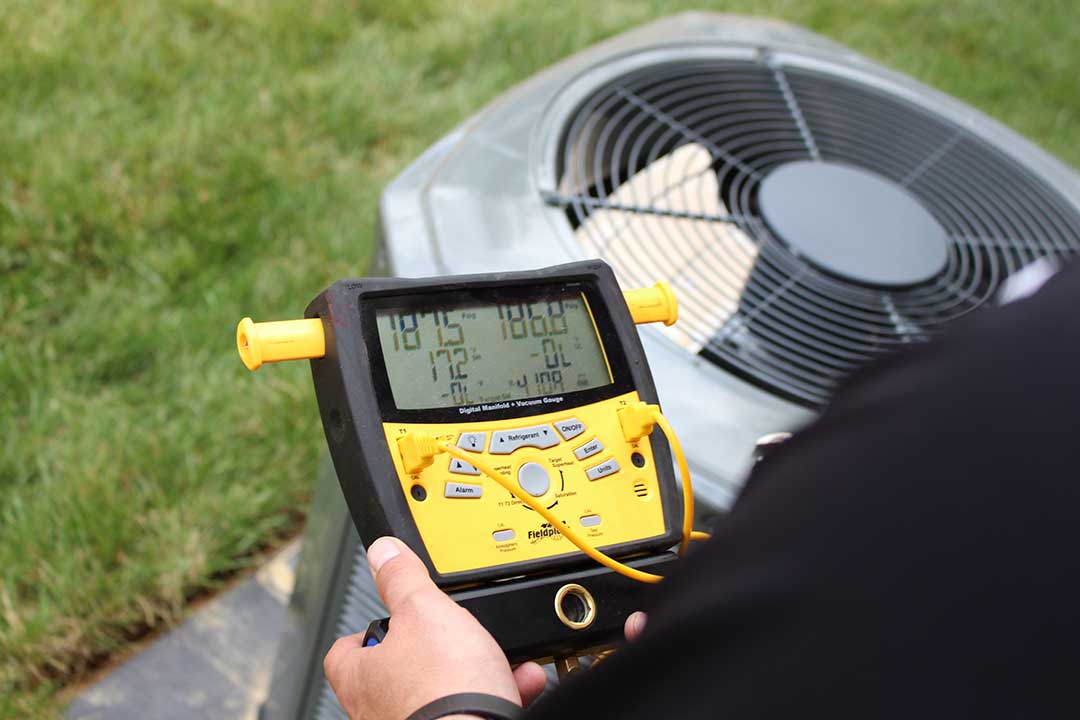
These symptoms can have other causes, but repeated refrigerant loss deserves attention.
Keep outdoor equipment accessible
Snow, ice, leaves, and grass clippings can restrict airflow around outdoor units. In Portage, winter conditions and spring debris can be especially relevant. Keeping the area around equipment reasonably clear helps the system operate properly and reduces unnecessary strain.
Replace filters as needed
A severely blocked air filter can reduce airflow and cause poor performance. Although filter replacement does not directly prevent refrigerant leakage, proper airflow supports normal system operation and can help avoid conditions that contribute to coil icing or stress.
Avoid mixing refrigerants
Different refrigerants are not automatically interchangeable. A system is designed for a specific refrigerant, pressure range, oil type, controls, and safety requirements. Using an unsuitable substitute can damage equipment, create safety hazards, and complicate future recovery.
Dispose of equipment responsibly
Old air conditioners, heat pumps, dehumidifiers, and refrigeration appliances may contain refrigerant even when they no longer operate. They should be handled through a disposal process that includes refrigerant recovery rather than placed directly with ordinary waste.
Are lower-GWP refrigerants automatically safer?
No. Environmental impact is only one part of refrigerant selection. Some lower-GWP options may be mildly flammable or require different system designs, charge limits, ventilation practices, tools, and service procedures.
A suitable refrigerant must balance several factors:
- Climate impact
- Ozone-depletion potential
- Flammability
- Toxicity
- System efficiency
- Equipment design
- Technician and occupant safety
- Recovery and disposal requirements
For that reason, an existing system should not be converted simply because another refrigerant appears more environmentally favorable. The refrigerant and equipment must be compatible, approved for the specific application, and handled according to applicable safety and environmental requirements.
How does cold Wisconsin weather affect the issue?
Portage homes often rely on HVAC equipment across wide seasonal temperature swings. Air conditioners may sit unused for months, while heat pumps and furnaces may run for long periods during winter.
Seasonal changes can expose weak connections, aging seals, corrosion, and damage from weather or landscaping. A system that performs normally in summer may show problems after a long winter shutdown. Keeping maintenance records and paying attention to changes in performance can help identify refrigerant-related problems before they become larger environmental or equipment concerns.
The most responsible approach is to keep refrigerant inside the system, use the correct refrigerant for the equipment, recover it during service or disposal, and consider both operating efficiency and refrigerant impact when replacing aging HVAC equipment.