

 See My Latest Article on HelloNation
How Can Pets Be at Risk Around HVAC Equipment?
Pets in area homes are naturally curious, and their daily routines may bring them near furnaces, air conditioners, vents, and ductwork. Exposure to HVAC equipment presents several safety issues. Direct contact with hot or moving components may cause injury. Pets can also chew wires, block vents, or introduce fur and debris into systems, leading to both pet health concerns and impaired equipment function. Understanding these risks allows families to take practical steps to create a safer indoor environment for both pets and people.
What Parts of HVAC Systems Are Most Hazardous for Pets?
The most immediate risks come from components that either move, heat up, or carry electrical current. For example:
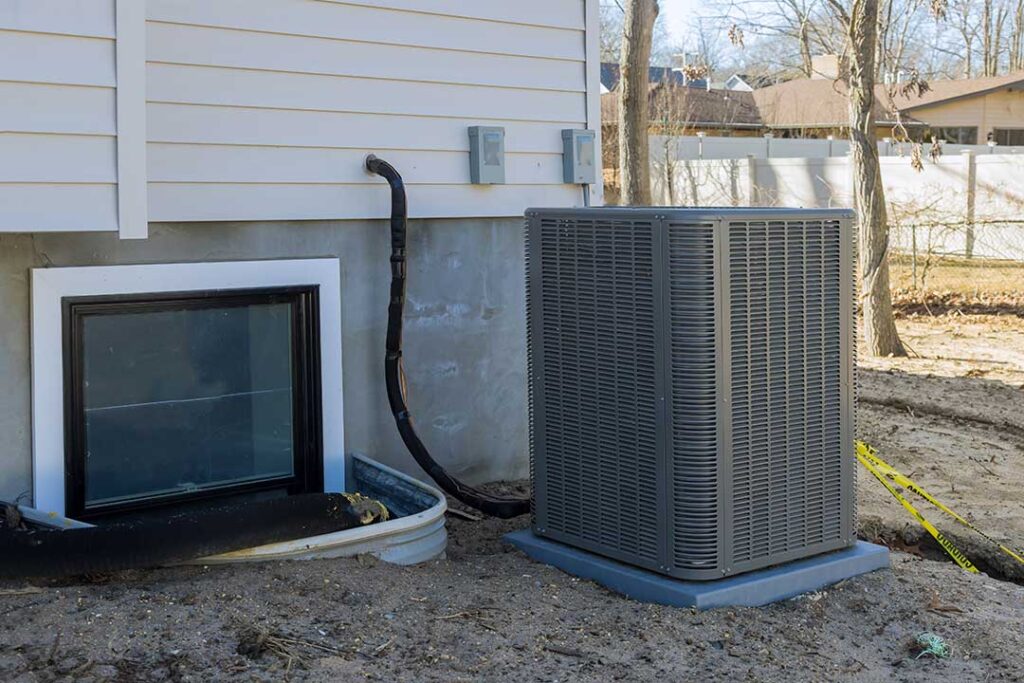
- Outdoor condenser units: These often have accessible fans and exposed wiring. Cats and small dogs may squeeze underneath, risking contact with sharp or moving parts.
- Furnaces and boilers: Hot surfaces and open pilot lights, especially in basements or utility rooms, may attract curious animals seeking warmth.
- Electrical wiring: Chewing on wires can lead to electric shock, especially for puppies, rabbits, and kittens.
- Vents and registers: Some pets may be tempted to paw at or crawl into floor-level vents, risking entrapment or injury.
Keeping these areas inaccessible or supervised is vital, particularly in households where pets roam freely indoors and outdoors.
Why Is Indoor Air Quality Linked to Pet Safety?
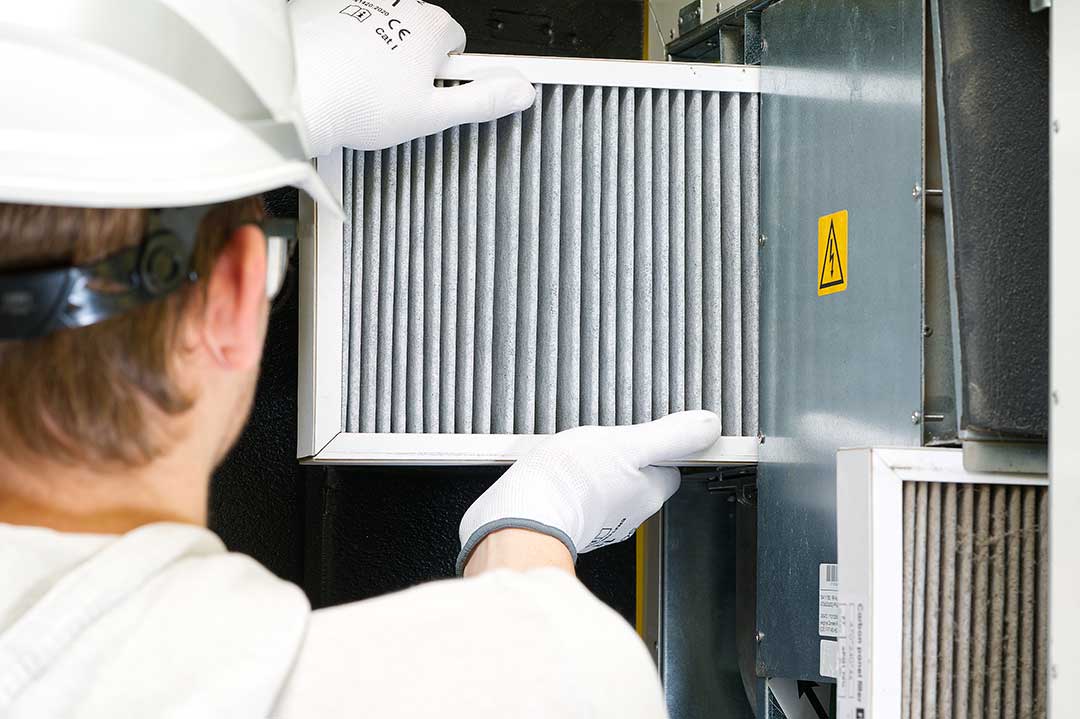
Healthy indoor air is crucial for both pets and people, especially during heating season, when homes in the city are sealed against cold weather. HVAC filters trap pet hair, dander, and dust; if not maintained, dirty filters circulate these irritants, aggravating allergies and respiratory issues in animals.
Pet owners should change HVAC filters regularly—often more frequently than the manufacturer’s basic recommendation, especially in homes with multiple animals or heavy shedders. Examples of proactive steps include:
- Choosing high-efficiency filters designed for homes with pets.
- Vacuuming around vents and registers weekly to minimize hair accumulation.
- Considering air purifiers for areas where pets spend the most time.
Awareness of indoor air quality supports the well-being of pets, particularly those already sensitive to allergens or environmental changes.
Are There Special Precautions for Outdoor HVAC Equipment?
Outdoor units face unique hazards, especially in regions with seasonal snow and rain. Condenser units can be damaged by animal urine (which corrodes metal), fur buildup, or pets marking territory. Cats may seek warmth from the unit’s motor, while dogs may chew insulation around refrigerant lines.
Several steps help reduce problems:
- Use protective cages or secure fencing to prevent animal access while allowing airflow.
- Keep yard debris, leaves, and snowdrifts clear of equipment foundations.
- Train pets to avoid play or toileting near outdoor equipment by relocating favorite toys or beds elsewhere in the yard.
These actions help prolong the life of HVAC equipment and minimize veterinary emergencies related to accidental contact.
What Local Factors Affect Pet Safety Near HVAC Systems?
In the city, many households rely on basements or utility rooms as homes for mechanical systems. These areas are often quiet and warm, tempting pets to hide or nap nearby during cold months. However, prolonged exposure to furnace cycles or boiler emissions can be unhealthy. Carbon monoxide leaks, while rare, can be especially dangerous for animals, who may be less able to escape or alert humans to symptoms.
Area residents often open windows less frequently during winter, increasing reliance on forced-air systems and worsening dander circulation. Being proactive about CO monitoring, ventilation, and filter changes is a smart seasonal habit for pet-owning families.
Common Misconceptions About Pet Safety and HVAC
Many local pet owners assume:
- Pets will avoid dangerous warm surfaces or moving parts naturally. In reality, curiosity or boredom can override caution.
- Closing a single room’s door is enough to keep pets out. However, cats and smaller dogs may push doors open or hide in utility spaces.
- Only electrically powered equipment poses risks. Combustion appliances, such as gas furnaces, create heat and emissions that can be just as hazardous.
Understanding these misconceptions helps prevent avoidable injuries or health issues related to HVAC systems.
What Practical Steps Reduce Pet-Related HVAC Hazards?
Mitigation often comes down to a few manageable habits and home improvements:
- Use baby gates, pet barriers, or locked doors to keep animals out of utility rooms and basements when equipment is cycling.
- Inspect vents and registers for loose or missing covers, especially in homes with puppies or kittens prone to exploring holes.
- Routinely check exposed wiring, duct insulation, and refrigerant lines for bite marks or visible wear.
- Educate children and guests not to encourage pets to play near mechanical systems.
- Provide alternative warmth sources—like heated beds or blankets—to steer animals away from seeking heat from HVAC equipment, especially during very cold snaps.
Older properties in the community may need more frequent review for gaps or access points that could let animals near equipment, particularly if past renovations have left equipment exposed.
How Should Households React to HVAC-Related Pet Accidents?
If a pet is injured by electrical shock, exposed heat, or entrapment in HVAC components, immediate safety and first aid are priorities. Unplug equipment if safe and check for burns, difficulty breathing, or other distress signs. Always consult a veterinarian if a pet is exposed to electrical current, as internal injuries can be severe even when there are few visible symptoms.
For concerns like suspected carbon monoxide exposure or gas leaks, exit the area with all pets and people, ventilate the home if safe, and alert appropriate emergency or utility services.