

 See My Latest Article on HelloNation
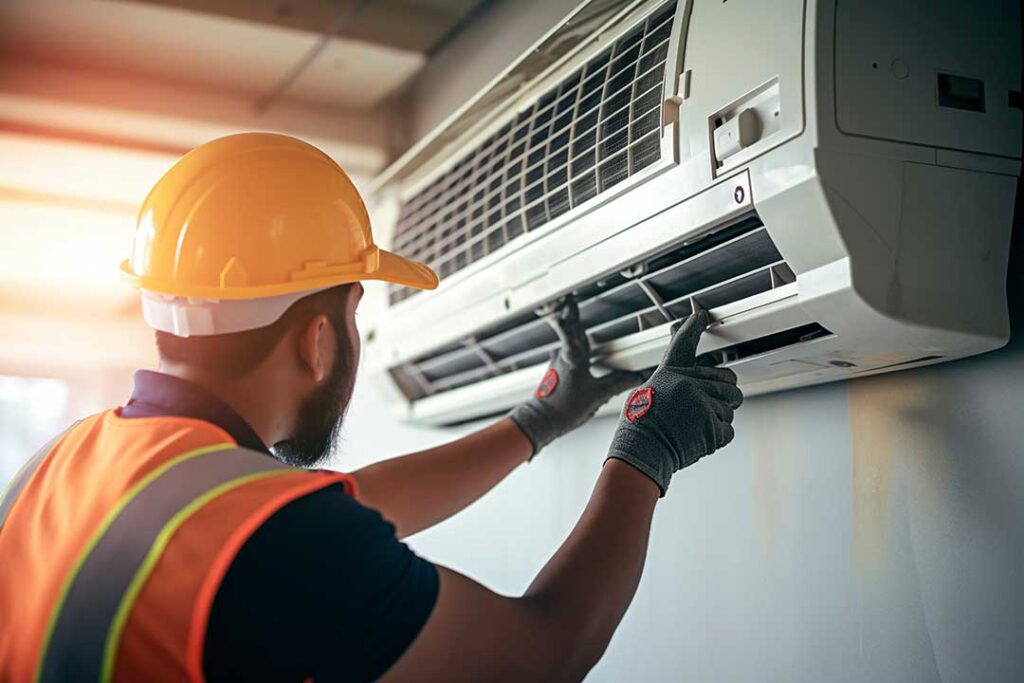
How Do You Know If Your HVAC System Needs Attention?
Homeowners in Portage, WI often wonder whether it’s better to arrange a repair or start planning for a full HVAC replacement when their system stops performing as expected. The answer depends on several key factors, including the system’s age, the type of issue, and the climate realities in the city.
Signs that signal your system may need more than just a tune-up include frequent breakdowns, unusual noises, uneven temperatures, or sharp rises in energy bills. While a sudden failure during a January cold snap might seem like a straightforward emergency, not every hiccup means you need to budget for a new unit.
When Is Repair the Sensible Choice?
Repairs often make sense for HVAC systems that are relatively new or have minor issues. If your system is under 10 years old and problems like a faulty thermostat, capacitor, or wiring pop up, these can usually be fixed affordably and reliably.
Consider repair if:
- The unit is still within its expected service life (typically less than 12 years for air conditioners, 15-20 for furnaces).
- This is the first major breakdown you’ve experienced.
- The cost of repair is much less than half the price of a new system.
- The manufacturer’s warranty may still cover certain components.
Local residents sometimes overlook how a small issue—like restricted airflow from a clogged filter or ice on a coil—can mimic more serious system failures. In Portage’s climate, skipping routine maintenance can also cause unnecessary shutdowns. In these cases, a professional cleaning, thermostat reset, or minor part replacement is often all that’s required.
When Should You Seriously Consider Replacement?
Replacement becomes a practical, and sometimes necessary, option when your system’s age is catching up or frequent repairs are leaving you frustrated. In Portage, where extreme cold is part of life half the year, reliability matters.
Think about replacement if:
- Your HVAC system is approaching or past its expected lifespan (15+ years for furnaces, 10-15 for air conditioning units).
- Repairs are becoming more frequent or expensive, particularly if costs in the past two years are already significant.
- You notice loud, persistent noise, inconsistent heating or cooling, or the presence of dust and humidity indoors despite running your system.
- Your home’s energy usage spikes without changes to your household routine.
In older homes around Portage, some HVAC systems may use outdated refrigerants or components that are no longer supported. In these cases, component replacement may be impossible or disproportionately costly compared to upgrading the whole system.
What Factors Impact the Decision in Portage’s Climate?
Winter and summer extremes in Portage bring added stress to HVAC systems. An older furnace working overtime in subzero weather or a central air unit straining to keep up with July’s humidity may not have much life left if maintenance has been neglected.
Local energy costs also play a role. Newer HVAC models tend to be significantly more energy efficient, potentially lowering monthly utility bills—especially in larger or less insulated homes. For many area residents, replacing an old system can pay off in comfort and cost savings over time.
Delaying a needed replacement too long may lead to sudden system failure at the worst possible time, such as during an arctic blast. Emergency replacements can be more disruptive, expensive, and limit your options.
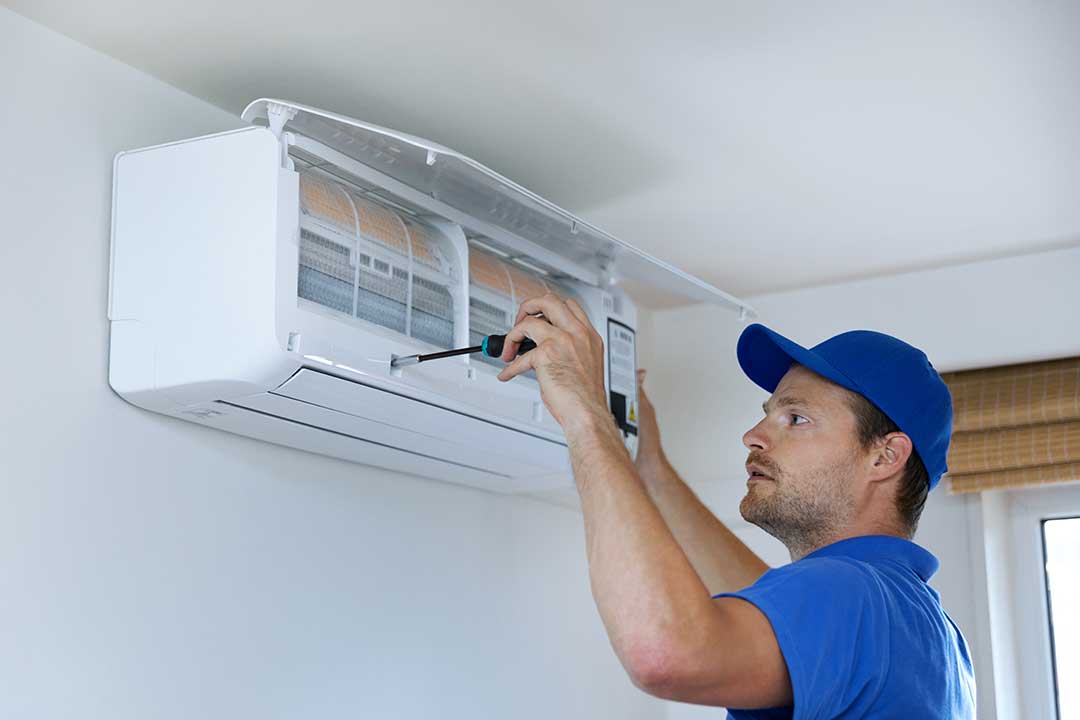
Are There Hidden Costs or Benefits to Either Option?
Repairs are often less expensive upfront but repeating the process year after year adds up. It’s wise to track total expenses on repairs and compare that sum to the estimated cost of a new, reliable system. With a new HVAC system, homeowners often benefit from improved air quality, better temperature balance between rooms, and modern features such as smart thermostats. Older units may develop issues like cracked heat exchangers, which can pose safety risks if ignored. In these situations, replacement is the safer option. Many mistakenly assume that patching an old unit saves the most money. If your system is running inefficiently, you could spend more over time in repairs and energy bills than a newer system would cost to install.
What Are the Most Common Misconceptions?
Several assumptions can mislead homeowners when deciding whether to repair or replace:
- “If it’s running, it doesn’t need attention.” Reduced efficiency, strange odors, or unexpected noises signal deeper issues.
- “Repairs are always cheaper.” Multiple repairs to old systems often equal or exceed replacement costs in just a few years.
- “Wait until it fails.” An emergency breakdown during weather extremes makes replacement rushed and more stressful.
- “A bigger replacement is always better.” Oversized systems may cycle on/off too quickly, wasting energy and wearing out faster.
How Can Portage Residents Make a Confident Choice?
Start by knowing your system’s age, maintenance history, and keep a record of repair costs. Watch for signs like chronic breakdowns or unusually high energy bills. For safety concerns (such as carbon monoxide leaks or electrical hazards), turn off the system and seek qualified help. Comparing the cost of repair versus replacement, considering the age and reliability of the unit, and factoring in potential energy savings will help you arrive at the right decision for your household.
By weighing these considerations with the unique seasonal demands of the city, residents can keep their homes both comfortable and efficient year-round.