

 See My Latest Article on HelloNation

How Can Portage, WI Residents Keep Heating Bills Down Without Sacrificing Comfort?
During long Wisconsin winters, area households often notice higher utility bills when temperatures start to drop. Fortunately, keeping heating costs manageable doesn’t have to mean bundling up indoors all season or making big investments. There are several practical steps residents can take right away to stay comfortable while using less energy.
What Temperature Should You Set Your Thermostat?
Setting your thermostat just a few degrees lower can have a noticeable impact on your energy use. For Portage’s cold climate, the U.S. Department of Energy recommends keeping your thermostat at 68°F during waking hours and lowering it at night or when no one is home.
- At night, try setting the thermostat as low as is comfortable—many find 60-63°F manageable while sleeping.
- For local households with programmable or smart thermostats, schedule automatic setbacks for work hours or overnight.
- Avoid rapid changes or constant adjustments, as this causes the system to run inefficiently.
A common misconception is that heating systems have to “work harder” to reheat a cool house, but in reality, the energy you save during the setback is greater than the energy needed to reheat your living space.
Are There Quick Fixes to Prevent Heat Loss in Portage Homes?
Reducing drafts and sealing air leaks can make a big difference, especially in older homes common across the city. Warm air escaping around windows, doors, and other gaps means your furnace works overtime.
Steps to minimize heat loss:
- Apply weatherstripping to windows and exterior doors.
- Use caulking to seal cracks along baseboards, around pipes, and near electrical outlets on exterior walls.
- Install insulating foam gaskets behind switch plates on outside walls.
- Close fireplace dampers when not in use (and check them seasonally).
- Heavy curtains or thermal blinds can block cold drafts from older windows.
Taking a day to tackle leaks and drafts can add up to real savings—and a more comfortable home on windy Wisconsin nights.
Can Ceiling Fans Help in Winter?
Yes. Local residents often overlook ceiling fans during the heating season. By reversing the direction of the blades (so the fan turns clockwise at low speed), warm air that has risen to the ceiling is gently pushed down into the living space.
- Run fans on low only; high speeds can create a breeze that feels cooling rather than warming.
- This works especially well in homes with high ceilings or open staircases.
How Much Do Furnace Filters Affect Heating Bills?
Clogged or dirty furnace filters restrict airflow, causing the system to run longer and less efficiently. In Portage, where furnaces may operate for six months or more a year, checking and replacing filters is a simple way to help heating systems work at their best.
- Most filters should be checked monthly during heavy use.
- Replace disposable filters every 1-3 months, depending on your system and indoor air quality needs.
- Pets, wood stoves, or open windows may mean you need to change filters more frequently.
A clean filter supports better heat circulation, less wear and tear on the blower, and lower utility bills.
Which Home Habits Save the Most? What Are Common Mistakes?
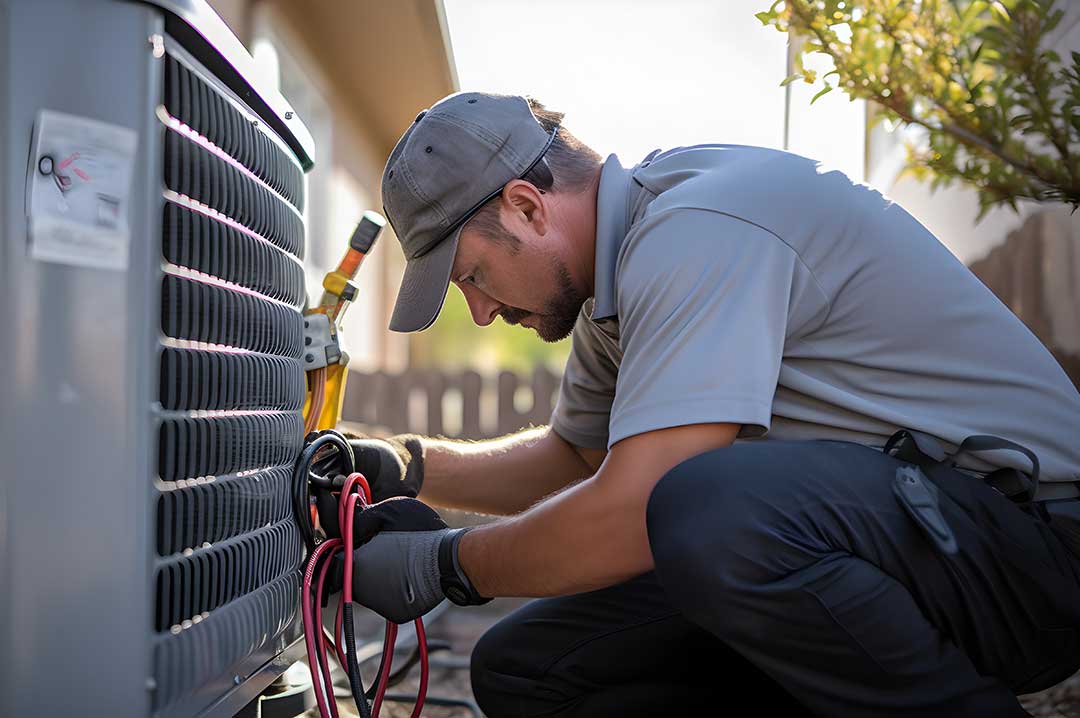
Local residents sometimes try quick fixes that don’t pay off—like shutting vents or doors in rarely used rooms. In most homes, this can disrupt balanced airflow, potentially increasing heating costs or even causing strain on the furnace. Instead, focus on:
- Using sunlight: Open blinds or curtains on south-facing windows during the day for free solar heat, then close them at night to retain warmth.
- Reducing exhaust: Bathroom and kitchen fans pull heated air outside. Use them only as long as needed.
- Layering up: Wearing a sweater or using cozy throw blankets allows you to keep the thermostat a degree or two lower without feeling cold.
Simple daily habits and attention to airflow patterns make a bigger difference over the long run.
How Does Insulation Affect Heating Costs in the Area?
Proper insulation slows heat loss through walls, attics, and crawl spaces. In Portage’s climate, many homes—especially those built several decades ago—lack the R-value (a measure of insulation effectiveness) now recommended for Wisconsin winters. If parts of your home feel particularly cold or drafty, or if your heating system runs frequently but rooms stay chilly, insulation may be inadequate. Attics and rim joists are common trouble spots. While upgrading insulation can be a project, even small improvements—like adding attic insulation or sealing the gaps around attic hatches—can noticeably lower heating bills.
Should Heating Vents Be Covered or Blocked?
Blocking heating registers or return vents often seems logical for directing heat only to occupied spaces. In typical forced-air systems, though, this may disrupt airflow and lead to pressure imbalances, higher energy consumption, or even system damage over time. Letting air circulate as designed is usually the most efficient approach. If parts of your home are consistently colder or warmer than others, it may be worth investigating insulation, duct sealing, or system balancing.
Is Humidity Important for Warmth in Winter?
Dry air feels cooler on the skin, which is common during the heating season. Increasing humidity slightly can make indoor air feel warmer, allowing a lower thermostat setting to remain comfortable.
- Use a portable humidifier or place water basins near radiators or heating vents (if safe to do so).
- Aim for 30-40% relative humidity. Too much humidity, however, risks window condensation, so monitor carefully.
Keeping a comfortable humidity level not only feels better but can help control heating costs over time.
Are Space Heaters Efficient for Spot Heating?
Small electric space heaters can efficiently warm a single room if used briefly and safely. However, they draw significant power and are not a cost-effective way to heat large areas or serve as a substitute for the home’s primary system. Always follow safety guidelines and avoid running heaters unattended.