

 See My Latest Article on HelloNation
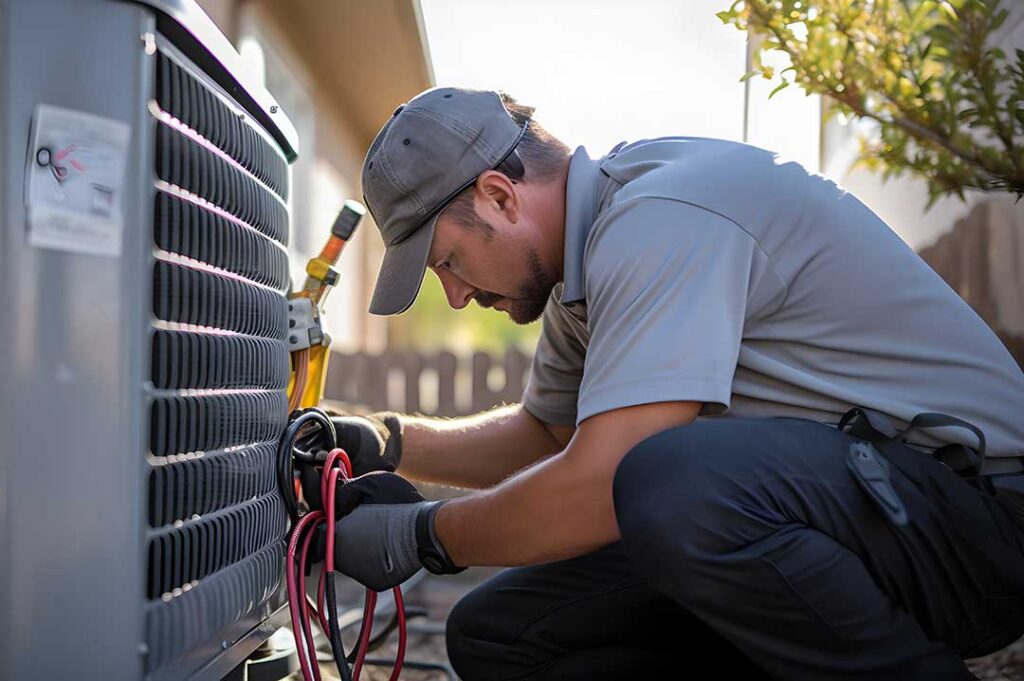
Why is the HVAC system making noise?
The sound itself often provides the first clue. A steady hum may be normal, while rattling, scraping, banging, squealing, or clicking can indicate a loose part, airflow restriction, worn component, or ductwork problem.
In Portage, WI, HVAC systems work through cold winters, humid summers, and frequent seasonal temperature changes. Those conditions can make certain noises more noticeable, especially when equipment starts after sitting unused for several months or when duct materials expand and contract.
Before troubleshooting, listen for three details:
- Where the sound begins: furnace, air handler, outdoor unit, vents, ducts, or walls
- When it occurs: startup, shutdown, during a heating or cooling cycle, or continuously
- What it sounds like: vibration, airflow, metal contact, electrical clicking, or motor noise
A quick description can help distinguish a simple adjustment from a condition that should not be ignored.
Which HVAC noises are usually minor?
Some sounds are common and may not indicate a serious problem. A brief click when a thermostat signals the system to start or stop is generally expected. Light duct popping can also occur as sheet metal warms or cools.
A low, consistent operating hum is typical for many furnaces, air handlers, and outdoor compressors. However, the sound should remain relatively stable. A new hum that becomes louder, changes pitch, or is accompanied by vibration deserves attention.
Air rushing through a vent is often caused by a closed or partially blocked register. The noise may decrease when the register is opened fully or when furniture, rugs, and curtains are moved away from it.
How can loose panels and covers create rattling?
Loose access panels are among the easiest causes of HVAC noise to check. A panel that is not seated correctly can vibrate whenever the blower or outdoor fan runs.
Turn off power to the equipment before inspecting exterior panels. Look for:
- Screws that are missing or visibly loose
- A panel that shifts when gently pressed
- Gaps around the furnace, air handler, or outdoor cabinet
- Thin metal surfaces that vibrate against nearby framing
Only tighten accessible fasteners that are clearly designed for that purpose. Do not remove safety covers, electrical compartments, burner assemblies, or refrigerant-related components.
A rattling sound from inside the cabinet may come from a loose blower wheel, motor mount, wire, or other internal part. Those components should not be adjusted while the system is energized.
Could the air filter be causing the noise?
Yes. A dirty or overly restrictive filter can reduce airflow and make the blower work harder. The result may be a louder motor sound, whistling at the return grille, or air noise around supply vents.
Check the filter according to the equipment instructions and replace it if it is visibly loaded with dust. Make sure the replacement filter fits correctly and is installed in the proper airflow direction.
A thicker or higher-efficiency filter is not automatically better for every system. If the filter creates too much resistance, it may increase noise and reduce comfort. The correct filter depends on the equipment, filter rack, and system design.
If a new filter makes the system noticeably louder, reinstalling the old filter is not the best long-term solution. The filter size, rating, and airflow should be evaluated together.
What can reduce noisy ductwork?
Duct noise usually comes from excessive air velocity, loose metal, poor support, or gaps at connections. Whistling often points to a restriction, while banging or popping may result from pressure changes in flexible or sheet-metal ducts.
Practical steps include:
- Open supply registers fully unless a specific room requires adjustment.
- Keep return grilles clear of furniture, boxes, and household items.
- Check that visible flexible ducts are not crushed, sharply bent, or sagging.
- Look for loose insulation, damaged connections, or duct sections rubbing against framing.
- Avoid sealing duct joints with ordinary cloth-backed duct tape, which can dry out and fail.
Ducts should not be blocked to force more air into another room. Closing too many registers can raise system pressure and create additional noise. It may also make rooms less comfortable and place extra strain on the blower.
Homes with older ductwork may transmit sound through framing, floors, and walls. Adding insulation or support can help, but duct modifications should preserve required clearances and access to equipment.
How can vibration be reduced?
Vibration often travels farther than the original noise source. A furnace or air handler can transmit motor vibration through its cabinet, platform, floor, or nearby ductwork.
Check whether the equipment is sitting evenly and whether surrounding panels or ducts are touching walls, framing, or storage shelves. Outdoor units can also become louder when a pad settles, vegetation contacts the cabinet, or a fan blade becomes unbalanced.
Do not place household objects on top of HVAC equipment to dampen sound. Items can obstruct access, interfere with airflow, or create a fire and safety hazard.
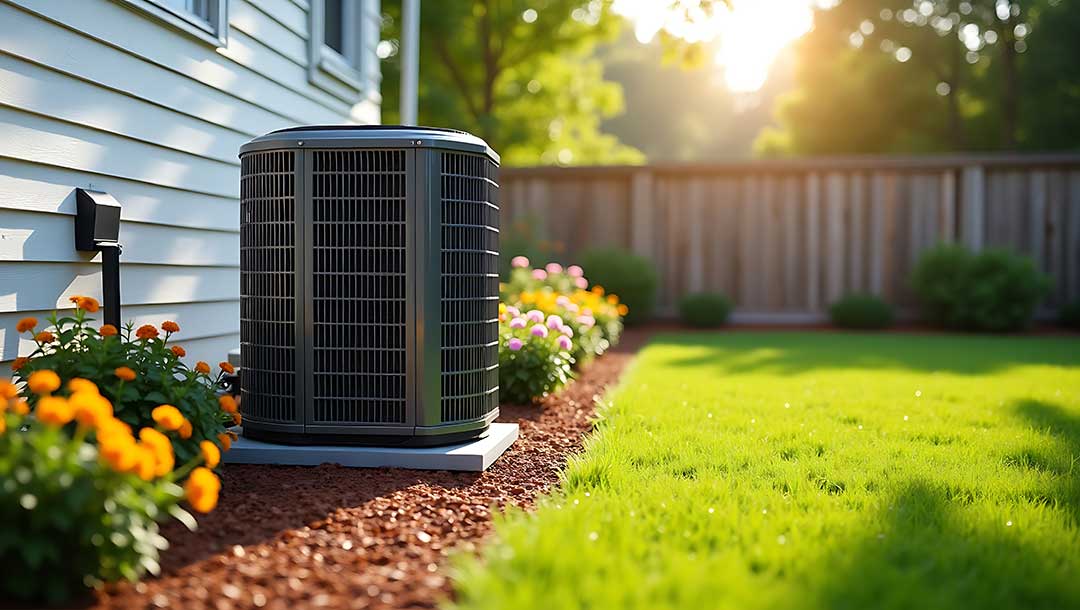
Anti-vibration supports may help in some installations, but they must be appropriate for the equipment and installed without blocking drainage or required airflow. A vibration that suddenly appears after years of normal operation may indicate a worn motor, fan assembly, or mounting component.
What do squealing, scraping, and banging mean?
A high-pitched squeal commonly points to a belt, bearing, blower motor, or fan problem. Scraping can mean that a blower wheel or outdoor fan blade is contacting its housing. These sounds should not be treated as normal operating noise.
A loud bang at startup may occur when airflow is restricted or when duct panels flex under pressure. A bang from the furnace itself can be more serious, particularly if it is followed by delayed ignition, an unusual odor, or repeated cycling.
Turn the system off and arrange for qualified HVAC service when there is:
- Scraping, grinding, or metal-on-metal noise
- Repeated loud banging from the furnace
- Burning odor, smoke, or melted wiring
- Gas odor or signs of combustion problems
- A circuit breaker that repeatedly trips
- A blower or fan that starts and stops unpredictably
If a gas odor is present, leave the building and follow local emergency guidance. Do not operate electrical switches or attempt to locate the leak.
Can thermostat settings affect HVAC noise?
Thermostat settings can influence how often the system starts, but they usually do not cause mechanical noise by themselves. Large temperature setbacks may lead to longer recovery cycles, making existing duct expansion or equipment vibration more noticeable.
In winter, a moderate and consistent indoor setting can reduce frequent starts and stops. During humid summer conditions, setting the thermostat too low may create long cooling cycles and increase the amount of airflow noise heard through registers.
A thermostat that clicks repeatedly, displays errors, or causes rapid cycling may have a control, wiring, or equipment issue. Replacing batteries may help with a simple low-power problem, but repeated cycling should not be ignored.
What maintenance helps keep an HVAC system quieter?
Regular maintenance reduces the chance that dust, wear, and poor airflow will turn into noise. Residents can safely:
- Replace filters on the schedule recommended for the system and household conditions.
- Keep outdoor equipment clear of leaves, grass, snow, and stored items.
- Vacuum dust from accessible return grilles and supply registers.
- Keep at least the manufacturer-recommended clearance around equipment.
- Listen for changes at the beginning of each heating and cooling season.
- Avoid storing combustible materials near a furnace or boiler.
Equipment installed in older homes may require extra attention to duct supports, floor penetrations, and return-air pathways. Cold-weather operation can also make outdoor fan noise more noticeable if ice, snow, or debris interferes with the cabinet.
A quiet HVAC system does not need to be completely silent. The useful goal is consistent operation without sudden, worsening, or mechanically harsh sounds. Tracking when a noise occurs and what changed beforehand can make the cause easier to identify while preventing a minor issue from becoming a larger safety or comfort problem.