

 See My Latest Article on HelloNation

What Is a Professional HVAC Inspection?
A professional HVAC inspection is a comprehensive checkup of your home’s heating, ventilation, and air conditioning system. The process goes beyond a simple filter replacement or thermostat check and aims to assess the safety, efficiency, and condition of the entire system. In Portage, WI, where winters can be harsh and summers humid, these inspections help area households keep their systems reliable throughout the changing seasons.
An inspection typically follows a set protocol, but every technician may have slight variations based on the age and type of equipment, the home’s layout, and local patterns in residential heating and cooling.
Why Do Residents Need HVAC Inspections in the Portage Area?
HVAC inspections help prevent unexpected breakdowns and costly repairs. In the Portage community, temperature extremes mean heating and cooling equipment is heavily used during long winters and sometimes muggy summers. Regular inspections can help:
- Catch minor issues before they escalate
- Maintain energy efficiency, minimizing utility bills
- Extend the lifespan of expensive equipment
- Address safety concerns, such as gas or carbon monoxide leaks
While some people assume inspections are only for older systems, new HVAC setups in this region also benefit, especially after a harsh season or before an anticipated high-use period.
What Happens During a Typical Inspection Visit?
A standard HVAC inspection is usually a hands-on assessment that includes:
- Visual inspection of equipment (furnace, air handler, AC unit, heat pump)
- Checking thermostat calibration
- Inspecting electrical connections and controls
- Examining ductwork for visible gaps, debris, or obstructions
- Measuring airflow and temperature differentials
- Looking for signs of leaks in refrigerant lines or drain systems
In older homes around Portage, unique aspects such as finished basements, crawlspaces, or additions might add steps to the process, especially if access to equipment is tricky.
Are Local Codes or Seasonal Factors Considered?
All reputable inspections in Portage incorporate both state and local code requirements. Technicians are aware of regulations surrounding venting, electrical safety, and fuel-burning appliances. Cold snaps and rapid thaws can cause hidden issues such as:
- Cracked heat exchanger in a furnace—more common after temperature swings
- Rust or corrosion in components exposed to winter humidity or basement moisture
- Blocked vents from snow or ice
Considering these seasonal and environmental factors ensures the checkup is relevant to local needs rather than just a standard checklist.
What Specific Equipment or Areas Get the Most Attention?
Furnaces and air conditioners receive detailed attention, but so do humidifiers, programmable thermostats, and air cleaners if installed. In homes typical to Portage, inspectors will often:
- Test safety switches and flame sensors (critical for gas furnaces)
- Confirm condition and operation of blower motors
- Check air filters and recommend size/type if replacements are needed
- Look for insulation quality or air gaps near duct joints, especially in attics or crawlspaces
Basements, which are common in local homes, may introduce extra concerns regarding moisture control and drainage affecting HVAC performance.
How Long Does the Process Take and Can Homeowners Be Involved?
Most inspections in the Portage area take from one to two hours, depending on system complexity and accessibility. Some technicians encourage residents to accompany them to observe and learn about any issues found. This is a good opportunity for residents to ask practical questions such as:
- “How often should I change my filter?”
- “Is a noise I hear from the furnace normal for this season?”
- “Do I need to do anything special ahead of winter or summer?”
The level of involvement is flexible—owners can be as hands-on or hands-off as they wish, but being present can provide peace of mind and practical tips.
What Should Residents NOT Expect From an Inspection?
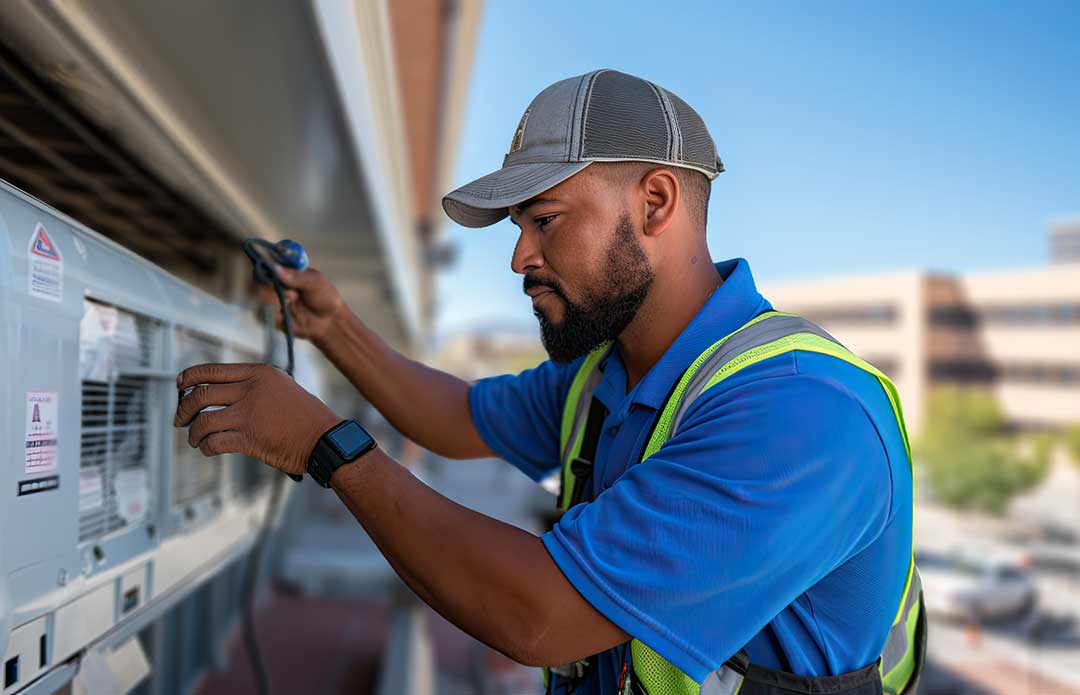
A common misconception in Portage is that an HVAC inspection is the same as a full tune-up or repair visit. While many small adjustments may be made on the spot, the visit does not include major repair work or deep cleaning unless specifically added to the service. Do not expect:
- Duct cleaning unless specifically requested—it’s a separate process
- Major part replacements during the standard inspection
- Universal solutions—every system has unique service requirements based on age, installation, and how it’s been used in the community
What Happens After the Inspection?
After the walk-through, residents typically receive a clear summary of findings. This includes:
- Immediate safety concerns, if any (like gas leaks or electrical hazards)
- Notes on efficiency—such as if the system is running longer than necessary
- Red flags for future repairs or maintenance (e.g., aging capacitors, rusty burners)
- Simple steps homeowners can take, like regular filter changes or clearing debris from outdoor units
In Portage, many residents appreciate simple, actionable advice that matches their comfort level—whether they prefer DIY upkeep or just want to stay informed.
Are There Hidden Costs or Problems That Can Come Up?
Some homeowners worry about surprise costs hidden in the inspection process. The inspection itself should not generate unexpected fees, though sometimes issues are discovered that might require attention later. For example:
- Discovering a small gas leak (requires prompt fixing for safety)
- Finding a failing blower motor (could be scheduled for future repair)
- Identifying airflow problems (might need duct sealing or insulation improvements)
Getting these alerts early helps avoid more expensive emergencies in future seasons.
How Often Should HVAC Inspections Happen Locally?
For Portage residents, inspection frequency typically depends on system age and usage. Common local patterns include:
- At least once a year for equipment more than a few years old
- Prior to the first hard freeze for heating systems, and before summer heat for AC systems
- After severe weather events or extended periods of heavy use
Newer systems may go two years between inspections if conditions are stable, but older setups often benefit from more regular attention due to the region’s climate extremes.